Women welfare schemes in India are designed to make sure that every girl has access to possibilities, security, and dignity. They aren’t simply packages on paper; they’re actual interventions that change the lives of women who face poverty, discrimination, or loss of the right of entry to schooling and healthcare.
India has made significant development in recent decades, but many ladies are nevertheless left at the back of. To close this gap, the authorities have delivered focused women welfare schemes covering schooling, health, economic inclusion, felony protection, and employment. Alongside those programs, grassroots companies like Dayitwa NGO play a similarly vital position. By bringing these schemes directly to ladies in villages, slums, and marginalized communities, Dayitwa ensures that the promise of equality reaches the ground.
1. Why Women Welfare Schemes Matter in India
In a country where tens of millions of girls nonetheless war for basic rights, women welfare schemes act as bridges to opportunity. Poverty, gender bias, and lack of sources often keep girls out of colleges, hospitals, and jobs. Welfare schemes provide them access to those spaces.
For example:
- Education schemes like scholarships make sure that girls are not pressured to drop out because of financial stress.
- Healthcare schemes provide maternity benefits and reduce the hazard of maternal deaths.
- Employment schemes offer schooling, loans, and subsidies to encourage ladies to start organizations.
Dayitwa NGO strengthens this task via organizing village conferences and awareness drives so that ladies who might not recognize how to follow such schemes can get fingers-on assistance.
2. The Role of Women in Building a Stronger Nation
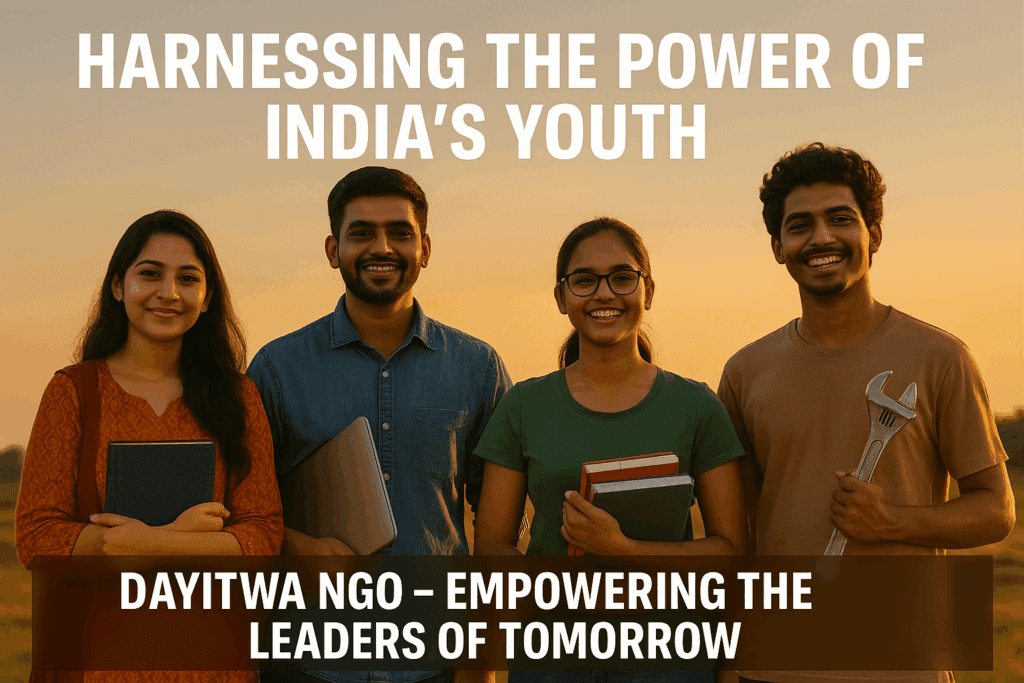
Women aren’t just caretakers of families; they’re monetary contributors, innovators, and leaders. When girls are empowered, the state grows more potent. Women welfare schemes help unlock this ability.
Imagine a village wherein girls receive vocational education below welfare applications. They begin small businesses which include tailoring or poultry farming. Within months, their families have higher incomes, children live in faculty, and network development quickens.
Dayitwa NGO frequently highlights such fulfillment testimonies in their campaigns to inspire other women. These actual-life examples display how investing in ladies benefits the whole network.
3. Dayitwa NGO and Its Contribution to Women’s Empowerment
While authorities’ schemes are effective, their achievement depends on powerful implementation. This is where the Dayitwa NGO becomes a bridge.
The NGO facilitates women in sensible ways:
- Awareness Camps: Volunteers visit far flung areas and give an explanation for welfare applications in nearby languages.
- Documentation Support: Many women lack the right ID or financial institution money owed. Dayitwa assists them in finishing formalities.
- Skill Development Workshops: Women are educated in capabilities like handicrafts, digital literacy, and meals processing.
- Follow-up Support: The NGO guarantees ladies keep to advantage and don’t drop out of packages.
Without businesses like Dayitwa, many welfare schemes could remain unused because of lack of knowledge.
4. Education and Skill Development through Women Welfare Schemes
Education is a fundamental right, yet thousands and thousands of women drop out because of financial and cultural limitations. Women welfare schemes cope with this via:
- Free Education Programs up to secondary faculty.
- Scholarships for higher studies, specially for ladies from marginalized backgrounds.
- Hostel centers for girls in rural areas.
Skill development is similarly important. Schemes like Skill India and National Rural Livelihoods Mission teach ladies in practical trades. This guarantees they could earn an income and advantage independence.
Dayitwa NGO supports those via organizing local workshops. Many ladies who attended tailoring instructions now run domestic-primarily based businesses, incomes enough to pay for their children’s education.
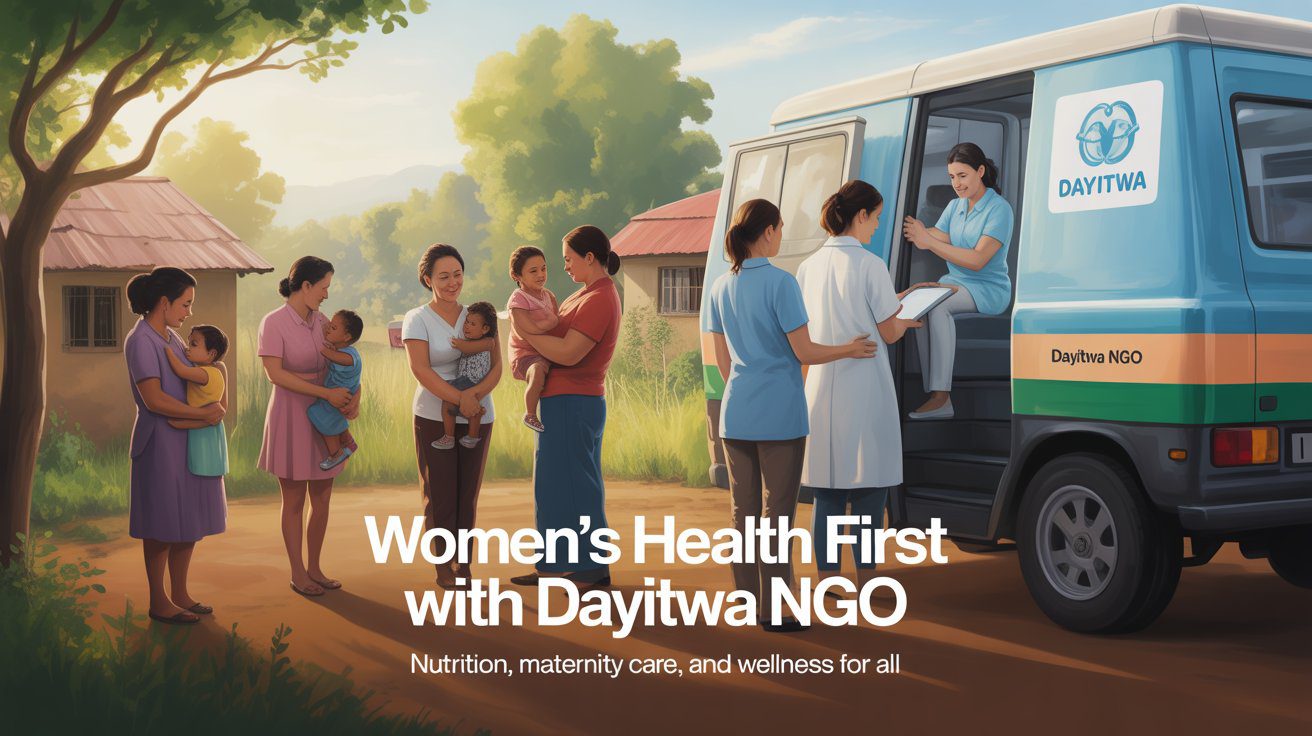
5. Health and Nutrition Support for Women’s Wellbeing
Good fitness is the base of empowerment. Without it, women can’t observe, work, or lead satisfying lives. Many girls in India face malnutrition and poor get entry to hospital treatment. Women welfare schemes deal with those troubles via:
- Maternity Benefit Programs that provide coins assistance and vitamins guidance.
- Free Health Check-united states of america community centers.
- Nutrition Schemes that distribute iron, folic acid, and fortified meals.
Dayitwa NGO regularly collaborates with nearby medical doctors to organize free medical camps in underserved areas. They additionally conduct attention sessions about the significance of vitamins for the duration of being pregnant. By spreading such information, they help reduce fitness dangers for both mothers and youngsters.
6. Financial Independence through Women Welfare Schemes
Economic empowerment is principal to girls’s development. Women welfare schemes encourage ladies to take manipulate of their price range through:
- Micro-finance applications providing low-interest loans.
- Self-help organizations (SHGs) supported by way of subsidies.
- Entrepreneurship initiatives for small agencies.
For example, underneath schemes like Stand Up India, ladies can start establishments in food processing, retail, or offerings. Dayitwa NGO performs a guiding role, helping ladies put together programs and access loans. They additionally educate girls financial literacy so that they can manipulate profits and prices expectantly.
7. Legal Awareness and Protection for Women
Many girls in India are ignorant of their felony rights. Women welfare schemes provide criminal resources to shield in opposition to home violence, harassment, and place of business discrimination. These consist of unfastened counseling, felony literacy campaigns, and brief-reaction helplines.
Dayitwa NGO regularly organizes prison recognition periods in rural communities. Women are informed approximately:
- Laws towards home violence.
- Equal property rights.
- Sexual harassment prevention at workplaces.
Such classes supply girls with the courage to speak up and call for justice whilst wished.
8. Social Security and Maternity Benefits
Motherhood frequently ends in activity loss or health problems while girls lack aid. Women welfare schemes offer maternity advantages along with:
- Paid maternity leave for working girls.
- Financial help for watching for moms in informal sectors.
- Free nutritional dietary supplements at some stage in pregnancy.
Dayitwa NGO ensures rural women know about those entitlements. Many girls in villages, for the primary time, are now capable of accessing hospitals for secure deliveries because of these schemes.
9. Rural Outreach and Women Welfare Schemes
Reaching rural girls is the hardest project. Lack of statistics, transportation, and focus makes schemes underutilized. This is why Dayitwa NGO performs a vital role.
Their volunteers travel to villages, conduct door-to-door campaigns, and help women fill paperwork. They additionally act as liaisons among authorities, places of work and beneficiaries. This guarantees that rural girls are not left at the back of gaining access to welfare programs.
10. Employment and Entrepreneurship Opportunities
Women welfare schemes are designed not best to offer jobs but additionally to create marketers. With schooling and seed investment, women are recommended to begin groups.
Examples include:
- Women running self-assist businesses generating handicrafts.
- Food processing devices wherein ladies create packaged neighborhood merchandise.
- Digital entrepreneurs presenting online services.
Dayitwa NGO facilitates joining such women with wider markets, increasing profits and confidence.
11. Consciousness campaigns and community engagement
Without focus, schemes fail. Many ladies do no longer understand such blessings exist. This is why awareness campaigns are critical.
Dayitwa NGO organizes network conferences, street plays, and nearby media outreach to unfold know-how about women welfare schemes. In a few areas, volunteers even use folks songs and theater to provide an explanation for complex regulations in easy ways.
12. Long-Term Impact of Women Welfare Schemes
The true achievement of these packages lies of their lengthy-term effects:
- Reduced poverty ranges.
- Higher literacy charges among women.
- Healthier families and communities.
- More girls in leadership positions.
By combining the authorities’ massive-scale projects with Dayitwa NGO’s community-driven work, India is slowly however in reality moving toward a destiny in which women are identical partners in development.
13. Expanding the Reach of Women Welfare Schemes in Rural Areas
Most beneficiaries of women welfare schemes live in rural India, in which the right of entry to resources is restricted. Schemes that provide scholarships, healthcare, and economic assistance ought to be designed with rural demanding situations in mind.
Dayitwa NGO bridges this gap through:
- Conducting door-to-door surveys to perceive women in want.
- Partnering with nearby leaders to build accept as true with.
- Using easy, nearby-language verbal exchange to give an explanation for schemes.
This outreach ensures that rural girls, regularly disregarded of development, get the same possibilities.
14. Government Initiatives Supporting Women Welfare Schemes
The Indian government has released numerous principal schemes for girls, together with:
- Beti Bachao Beti Padhao (BBBP): Promoting female infant schooling.
- Pradhan Mantri Matru Vandana Yojana (PMMVY): Maternity gain application.
- Mahila E-Haat: An online platform for girls marketers
- One Stop Centres: For prison and psychological help to women dealing with violence.
Dayitwa NGO enhances these applications by guiding ladies in registration and ensuring that blessings certainly attain them.
15. NGO Partnerships – How Dayitwa NGO Makes a Difference
Government sources are significant, but they want closing-mile transport companions. This is where NGOs like Dayitwa NGO shine.
Their effect includes:
- Education Drives: Collaborating with colleges for ladies’ scholarships.
- Healthcare Access: Partnering with hospitals for everyday camps.
- Skill Building: Linking women to subsidies for self-help organizations.
- Entrepreneurship Support: Helping ladies launch micro-corporations.
Dayitwa NGO guarantees that girls welfare schemes don’t stay on paper but surely trade lives in real groups.
16. Digital Inclusion and Women Welfare Schemes
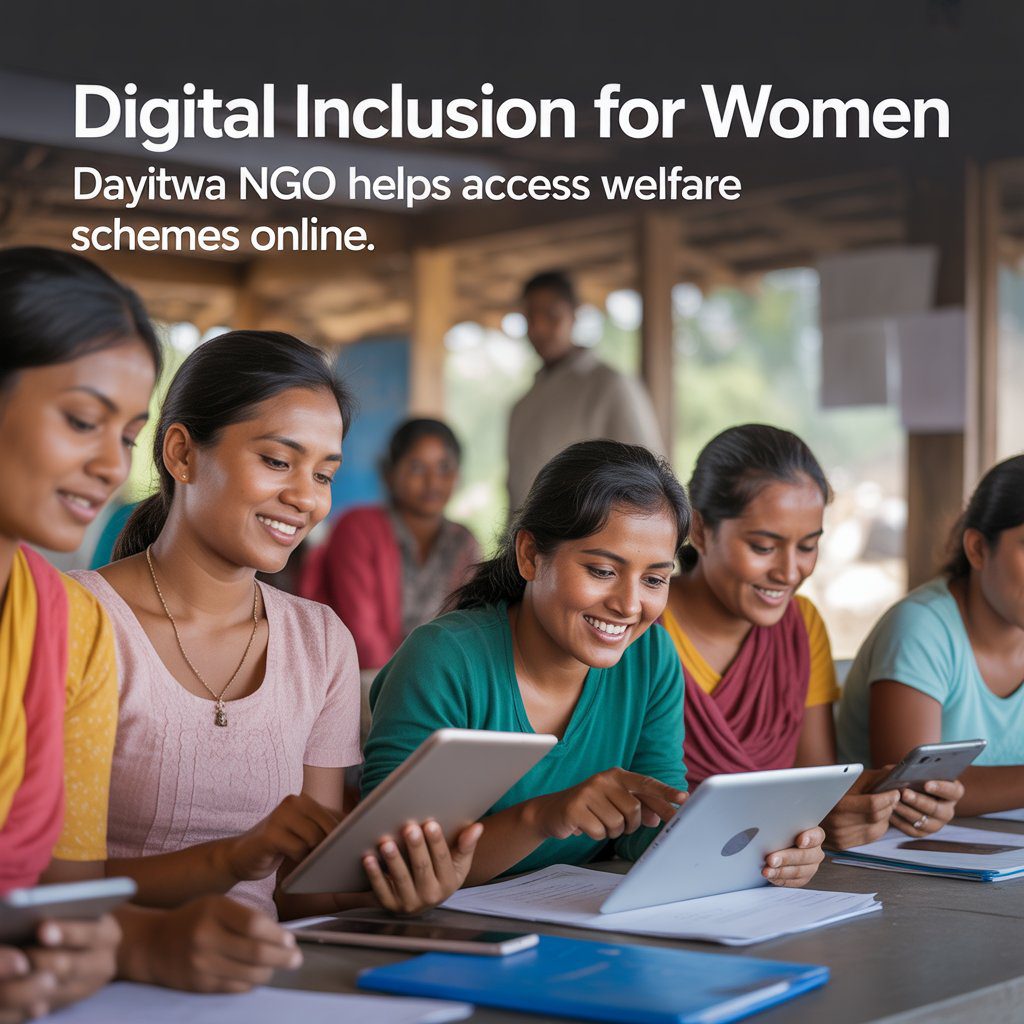
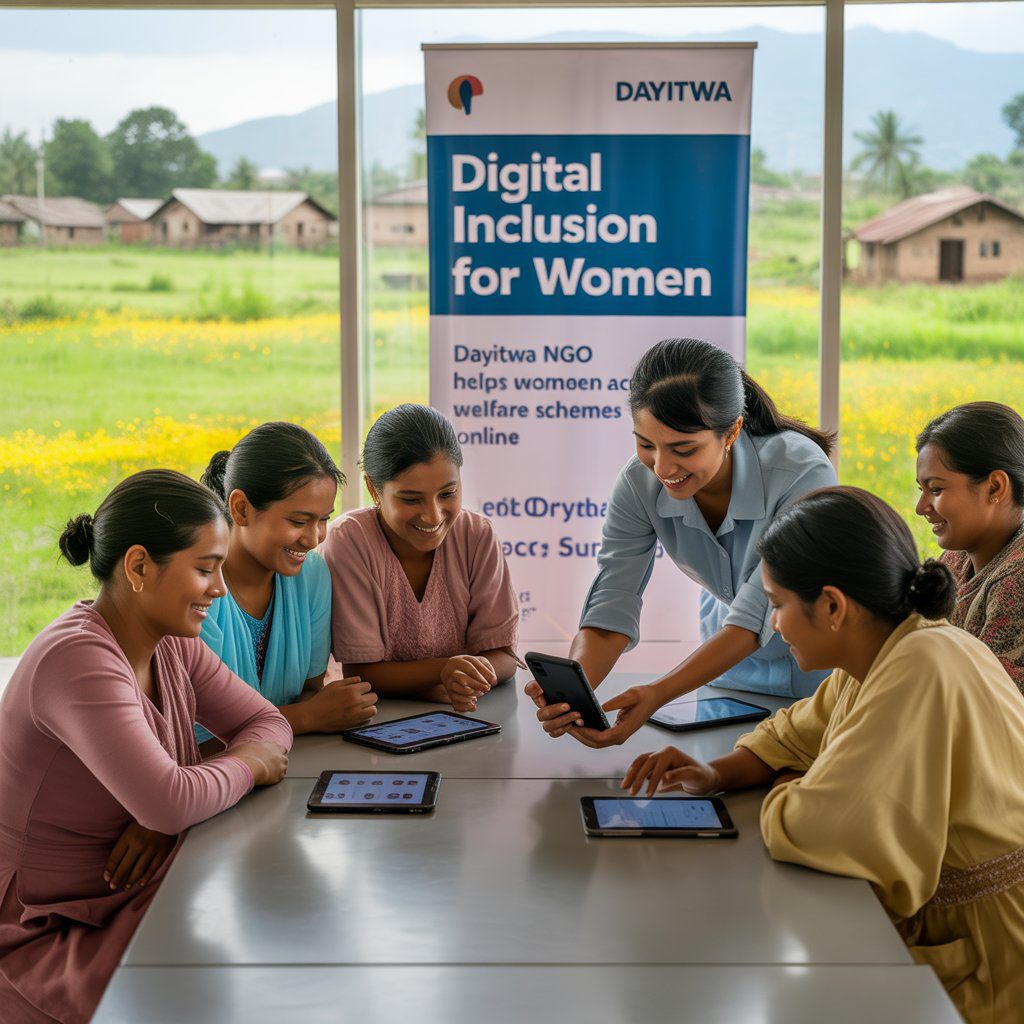
Digital admission is now relevant to nearly every welfare scheme. From Aadhaar-related financial institution transfers to on-line programs, era performs a huge position. But the digital divide prevents many women from reaping rewards.
Dayitwa NGO addresses this hole through:
- Training women in mobile use for accessing blessings.
- Conducting digital literacy workshops.
- Helping girls open Jan Dhan money owed linked to schemes.
- Assisting with online programs to reduce office work delays.
When girls gain virtual talents, they grow to be more impartial, confident, and financially secure.
17. Challenges in Implementation of Women Welfare Schemes
Despite their noble intent, women welfare schemes face hurdles:
- Awareness Gaps: Women don’t know schemes exist.
- Bureaucratic Barriers: Lengthy methods discourage participation
- Cultural Restrictions: In conservative regions, families resist ladies joining packages.
- Leakages & Corruption: Benefits don’t constantly attain the right person.
Dayitwa NGO facilitates solving those troubles by simplifying information, supplying personal support, and making sure transparency. Their volunteers often act as mediators between the network and government places of work.
18. Case Study: How Women Welfare Schemes Changed Lives
Real tales carry lifestyles to statistics. Some examples consist of:
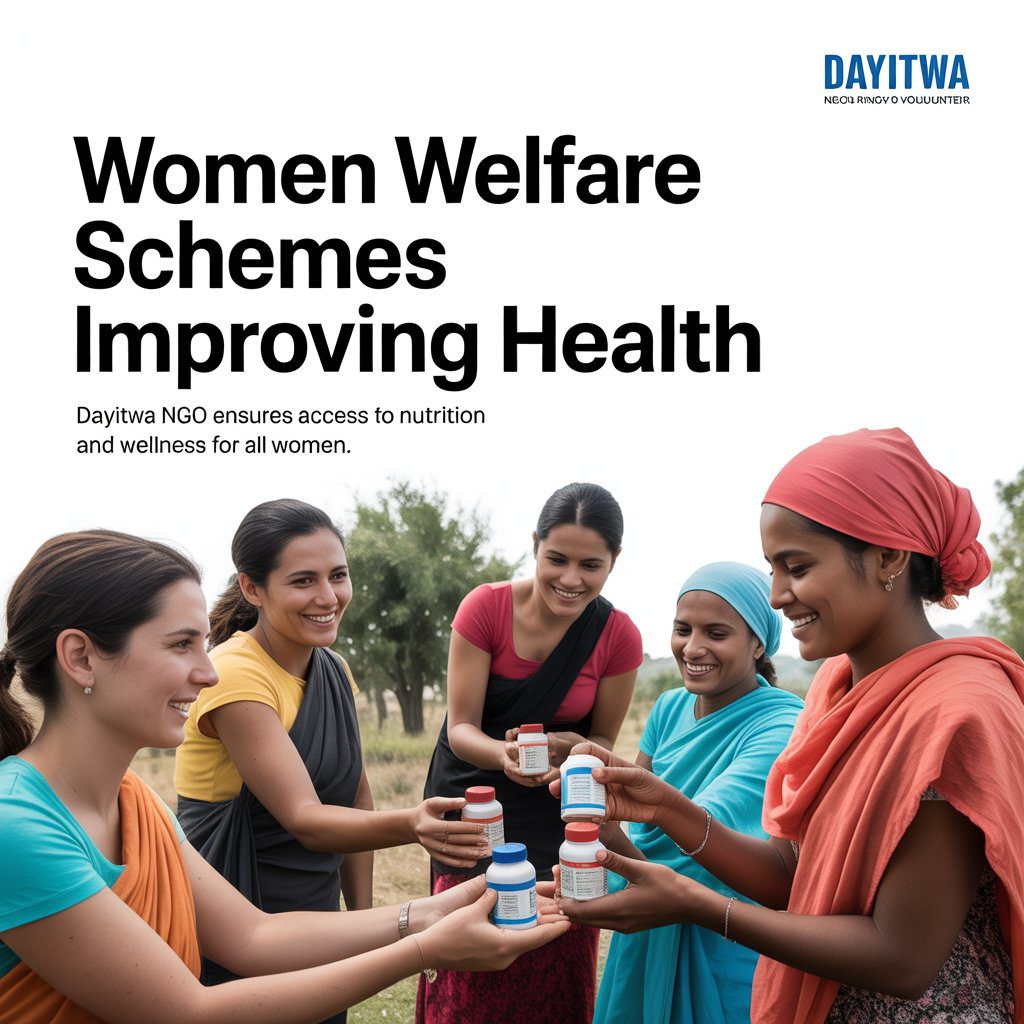
- Bihar: A mom obtained PMMVY blessings with help from Dayitwa NGO, making sure of proper healthcare for the duration of pregnancy.
- Rajasthan: Women guided via Dayitwa NGO took small loans to start tailoring groups.
- Uttar Pradesh: Teenage girls again to high school with scholarships and counseling.
Such stories prove that when schemes meet actual steerage, women can reap monetary independence, schooling, and dignity.
19. Women Welfare Schemes and Employment Generation
Employment is one of the simplest gears of empowerment. Schemes like Skill India and Start-Up India encourage ladies to end up financially strong.
Dayitwa NGO complements these with the aid of:
- Running vocational training packages (stitching, handicrafts, digital work).
- Connecting trained ladies with employers.
- Providing mentorship for girls marketers.
When ladies earn, their choice-making power grows, and their youngsters gain from higher training and healthcare.
20. The Role of Education in Strengthening Women Welfare Schemes
Education is the muse for every different scheme. A literate woman can recognize authorities recommendations, handle cash, and steady possibilities.
Dayitwa NGO guarantees training remains vital via:
- Running after-faculty studying centers for women.
- Persuading households to allow daughters to finish school.
- Linking scholarships with career steering.
With schooling, women welfare schemes end up greater impactful due to the fact girls themselves can navigate the device with confidence.
21. Health Innovations inside Women Welfare Schemes
Women’s health is important to the development of families. Innovations in welfare schemes encompass:
- Mobile health vans attaining villages.
- Telemedicine offerings for far off areas.
- Awareness drives on maternal and menstrual fitness.
Dayitwa NGO dietary supplements those by:
- Coordinating fitness camps in underserved areas
- Training ladies as network health volunteers
- Spreading cognizance approximately nutrition and hygiene.
This guarantees women aren’t simply recipients of blessings however additionally dealers of health cognizance.
22. Collaboration Between Government and NGOs
No welfare scheme can be successful without collaboration. The government gives scale, at the same time as NGOs offer personalized outreach.
Effective models include:
- Public-personal partnerships for talent education.
- Joint recognition campaigns to reach more ladies.
- Monitoring systems in which NGOs sing implementation.
Dayitwa NGO’s partnerships make sure women welfare schemes are practical, on hand, and obvious.
23. Building Confidence and Leadership Among Women
The closing fulfillment of welfare schemes lies in turning beneficiaries into leaders.
Dayitwa NGO encourages ladies to:
- Represent self-assist companies in panchayats.
- Act as mentors for younger women.
- Build networks for mutual aid.
This leadership dimension ensures that girls are not simply helped but also grow to be decision-makers in their groups.
24. A Future Vision for Women Empowerment in India
The journey of girls welfare schemes is ongoing. The imaginative and prescient for the future consists of:
- Universal healthcare and schooling for all girls.
- Digital empowerment in each family.
- Policy reforms that get rid of social and economic boundaries.
- Greater collaboration between government, NGOs, and private sector.
Dayitwa NGO envisions a future in which no lady is left at the back of, and every welfare scheme creates real, lasting development.
Conclusion: Building a Brighter Future via Women Welfare Schemes
Women welfare schemes are more than just authorities programs; they’re the inspiration of an honest and equal society. When we communicate about development, we shouldn’t forget that development is incomplete if half of the population is left at the back of. These schemes provide ladies with access to schooling, healthcare, economic help, and protection. They make certain that ladies are not dealt with as dependents but as lively members to households, communities, and the state.
Across India, the effect of girls welfare schemes can already be visible. Girls who as soon as dropped out of college are actually completing their education. Mothers who confront difficulties all through being pregnant are receiving economic and scientific guidance. Women in villages who in no way thought of earning an earnings are actually strolling small organizations, a way to skill development initiatives. These memories show that the proper policies, combined with strong outreach, can bring about actual trade.
However, demanding situations remain. Many women are still ignorant of the possibilities to be had to them. Rural areas, in particular, face cultural and infrastructural obstacles that save you women from reaping rewards completely. Herein NGOs like Dayitwa NGO play a transformative role. By working directly with groups, they provide an explanation for schemes in easy language, manual ladies thru application methods, and provide constant support. Their presence ensures that ladies welfare schemes reach individuals who need them the most.
Dayitwa NGO does greater than just help with blessings—it builds confidence. A female who learns to use her smartphone to get right of entry to a government provider gains not just statistics however also independence. A lady who returns to high school gains the courage to dream larger. A mother who begins earning an earnings via a small business inspires her youngsters to accept as true within opportunities. These are the silent revolutions occurring in villages and cities across India, supported by using welfare schemes and bolstered through NGO partnerships.
The future of ladies empowerment lies in growing more potent bridges among policy and people. Government schemes offer the framework, however network engagement guarantees achievement. Technology can increase attain, but human guidance brings trust. By combining these factors, we are able to create a sustainable machine in which each woman blessings equally.
Looking ahead, girls welfare schemes need to adapt to converting desires. More awareness should be located on virtual empowerment, management training, and employment possibilities. At the same time, society has paintings to cast off cultural obstacles that restrict girls participation. Only then will welfare schemes attain their authentic purpose—creating equality, independence, and dignity for women.
Dayitwa NGO envisions an India where ladies aren’t most effectively covered but additionally empowered to guide. Their paintings remind us that schemes are not pretty much numbers or reports—they’re about people, about lives transformed, and about futures rewritten. With consistent effort, collaboration, and compassion, girls welfare schemes can end up the stepping stones to a country in which every girl flourishes.