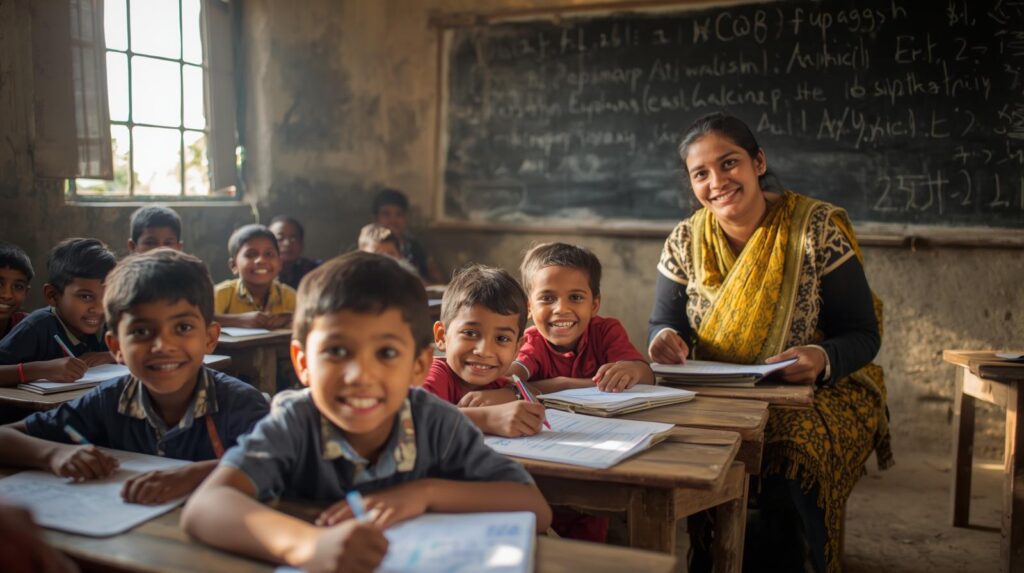
To close these inequalities locally, government initiatives alone are inadequate. This is the accurate point on which the contribution of NGOs in rural development becomes important. NGOs work as a catalyst, complete government instructions and address deficiencies in environmental protection, women empowerment, healthcare and education. Because they are non-profit, they are able to focus only on community welfare, ensuring that the programs reach those who need them most.
Among them, Dayitwa NGO has been at the forefront of transformational rural works. Its simple yet powerful missions, “to strengthen communities, to change life,” Dayitwa focuses on providing quality education to children, promoting self -reliance among women, improving healthcare access and encouraging permanent environmental practices. The organization’s team works directly with the villagers, understands their actual needs, and designs programs that create permanent effects.
We strongly believe that the true development of India can be achieved only when villages are strengthened. Rural development is not just a goal – this is a shared responsibility. Through its ongoing initiative, Dayitwa NGO has already reached thousands of beneficiaries, changing new dreams into reality every day.
If you also believe that there may be a big difference from small tasks, participating in the programs of Dayitwa NGO is the most effective way to contribute to rural changes.
Sign up to our WhatsApp channel today to get updates on projects, to get updates on success stories and volunteers. Your message can change one’s life.
Understanding Rural Development in India
Increasing social, economic and environmental conditions in villages is known as rural development. It covers infrastructure, environmental stability, women empowerment, livelihood, healthcare and education. Since the village is home to 65% of India’s population, strong rural development is beneficial for both the local people and the country.
NGOs have played an important role here, reducing the gap between government schemes and local needs. Through initiative in education, skill training, healthcare, women empowerment, and sustainable practices, NGOs such as Dayitwa strengthen communities and create scalable models for other villages.
India’s economic growth is necessary to focus on rural development: better education and skills increase employment, reduce healthcare disease, strong women support families, and preserve environmental practices resources
The Crucial Role of NGOs in Rural Development
NGOs play an important role in rural development by reducing the gap between real on-ground execution and government policy. NGOs like Dayitwa NGOs such as the most disadvantaged communities achieve education, healthcare, women empowerment, skill development and environmental activities, even though the plan just provides a outline.
Their strength lies in understanding local needs and designing practical solutions. For example, Dayitwa NGO has run literacy campaign, vocational training and health awareness programs that directly benefit the villagers. These targeted efforts make rural development more effective and durable.
NGOs also carried out community participation, encouraged villagers to participate in decision making and take ownership of projects. This ensures that education, healthcare and environmental protection continue even after the initial program is over.
Through initiatives such as tree plantation drives, women empowerment workshops, and digital literacy programs, Dayitwa NGO sets a benchmark that can be repeated in other villages. By combining expertise, local knowledge and community engagement, the NGO changes challenges in long -term rural progress opportunities.
Key Areas Where NGOs Create Impact
Through their attention on important issues affecting social and economic development, non-governmental organizations have contributed significantly to the improvement of rural communities. Their efforts are beyond simple help; They create capacity, encourage self -determination, and bring long -lasting changes. For example, Dayitwa NGO, is important for the execution of programs that affect every aspect of the village life. There are important areas of women empowerment, healthcare, environmental stability, and education and skill development effects.
Education and Skill Development
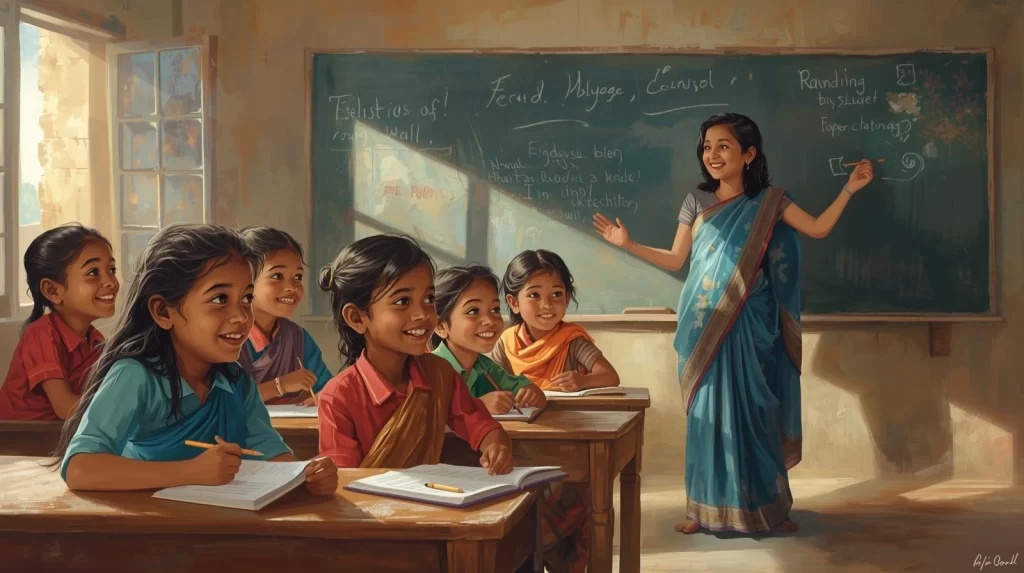
By introducing digital tools and computer literacy programs, Dayitwa NGO equipped students with the
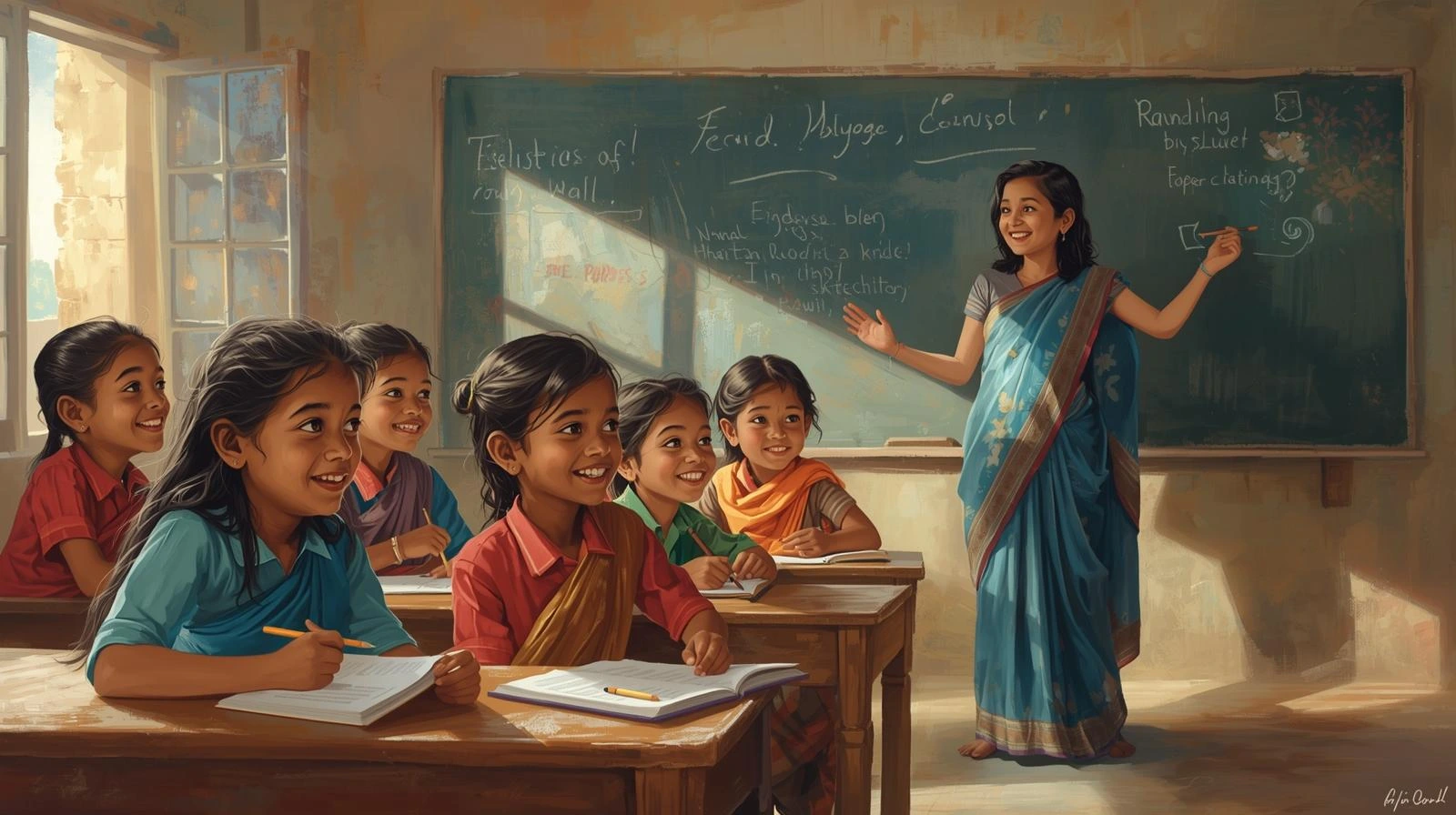
Education is the foundation of rural development, and NGOs such as Dayitwa NGO focused on ensuring that every child had access to quality learning. In those villages where government schools are rare or less—up-pilgrimage, with alternative educational initiative, Divasitwa. In this, running community schools, organizing tuition programs for children struggling in main subjects and providing digital literacy classes that help youth navigate the modern world.
the skills required for the 21st century. In addition, vocational training programs are introduced to older students and youth, in which tailoring, handicrafts, computer skills, and basic entrepreneurship are covered. This initiative not only enhances employment, but also encourages self -reliance among rural youth.
The NGO also collaborates with local communities to track student progress, ensure that the intervention is effective and conforms to the needs of each child.Through these efforts, Dayitwa NGO has positively affected thousands of children and young adults, causing a path from education to opportunity.
Women Empowerment and Self-Reliance
Empowering women is a foundation for rural development, and NGOs such as Dayata NGOs have played an important role in promoting self -abuses among rural women.Many women in villages face social and economic challenges, including lack of education, limited employment opportunities and minimal awareness about their rights. Dayitwa NGO addresses these challenges through structured programs that encourage skill development, financial freedom and social awareness.
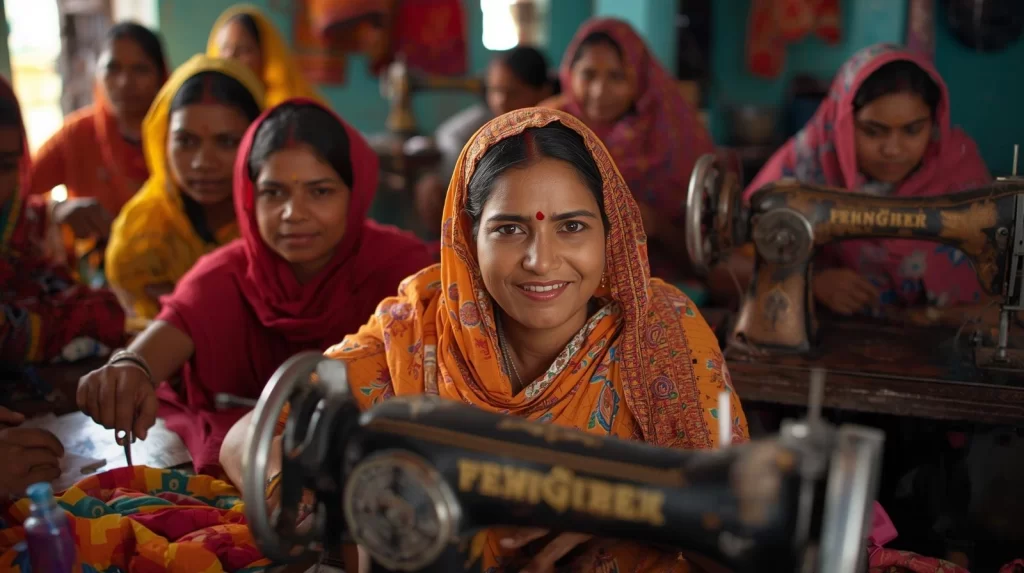
One of the major initiatives is the formation of self-help groups (SHGS). These groups allow women to allow pool resources, learn about savings and microfinance, and support each other in starting small businesses. With SHGS, Dayitwa NGO provides vocational training in areas such as tailoring, handicrafts, digital skills and small scale entrepreneurship. These programs not only increase income -generating opportunities, but also promote confidence and decision -making abilities among women.
Another important aspect of the work of Dayitwa is rights awareness program, where women are educated about legal rights, government schemes and healthcare. This gives them the right to actively participate in community decisions and improve the good of their families.
Through these broad initiatives, Dayitwa NGO ensures that women become active contributors in rural development, making a wave effect that benefits the entire communities.
Learn more about our women empowerment programs on our work.
Healthcare and Nutrition in Villages
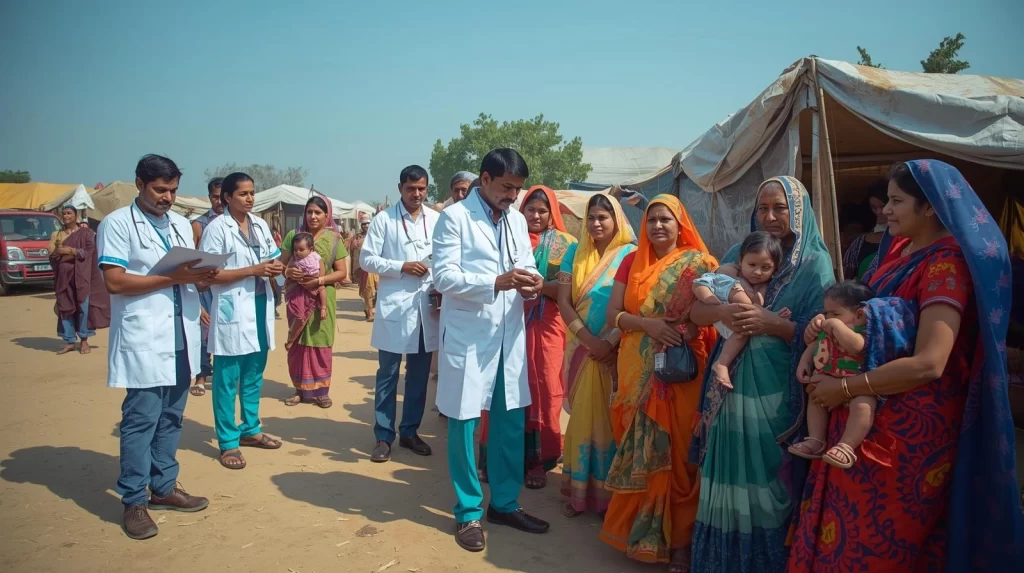
In rural India, access to high quality healthcare is a significant obstacle. To resolve the challenges of health and nutrition and guarantee that the rural population receives quick medical aid and direction, NGOs such as detwa NGOs have been important. His initiative addresses the fight against maternity and child health, preventive healthcare, and malnutrition in weak groups.
One of the major initiatives of Dayitwa NGO is an organization of health camps in remote villages. These camps provide free medical check-ups, vaccinations and counseling, reaching the residents who otherwise have limited access to health services. With general health services, maternal care programs educate mothers on nutrition, prenatal care, and safe delivery practices, which reduce the risk for both mother and child.
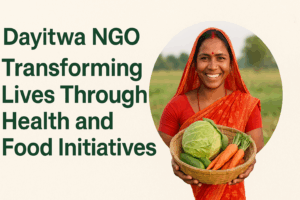
Nutrition is another main focus area. Dayitwa NGO conducts awareness sessions on a balanced diet, organizes supplemented feeding programs for malnourished children, and works with local communities to improve access to nutritious food. This initiative not only deal with immediate health concerns, but also lays the foundation of long -term welfare.
By addressing healthcare and nutrition extensively, Dayitwa NGO ensures that rural development is overall, empowered communities to flourish physically, socially and economically.
Environment and Sustainability in Rural India
Rural development requires environmental stability, and organizations such as Detwa NGOs have worked for the creation of rich, green communities. Forest harvesting, poor waste management, and restricted access to renewable energy are some issues that often encounter rural communities that affect their life and health quality. Long -term development is required to solve these problems.
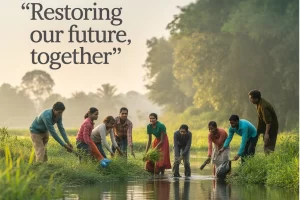
Dayitwa NGO applied the tree plantation drive to restore greenery and prevent soil erosion, while also educated communities about the benefits of afforestation.
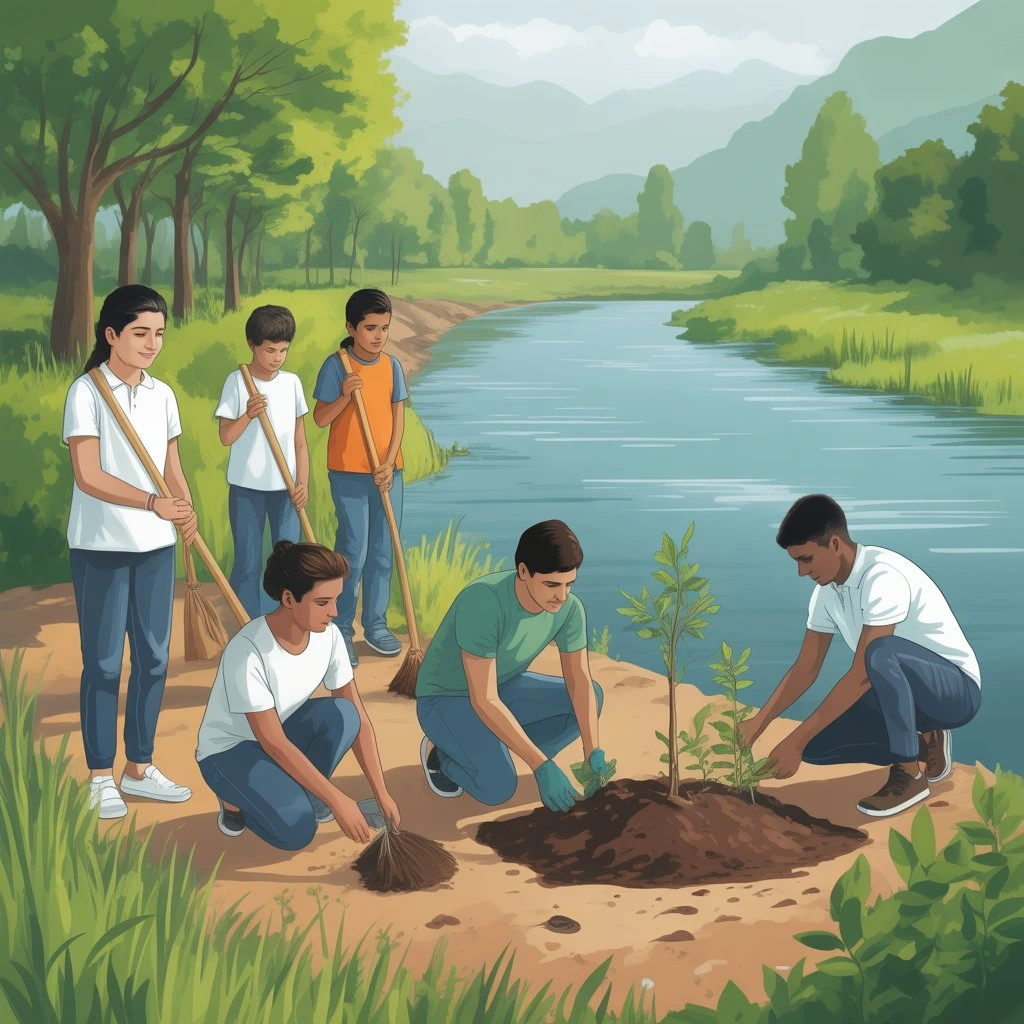
In addition, the organization promotes renewable energy solutions, such as solar lighting and biogas projects, reduce dependence on non-renewable resources and improve energy access to remote villages. Proper waste management initiative is also taken, teaching villagers about compost to keep separation, recycling and clean environment.
These programs not only increase environmental quality, but also create awareness among residents about sustainable life practices. By complicating the local communities directly, Dayitwa NGO ensures that green initiatives are maintained and adopted long term.
For more information about global stability goals and best practices, you can refer to the United Nations Sustainable Development Goals (United Nations SDG).
Through such an initiative, NGOs like Dayitwa have played an important role in connecting rural development with environmental leadership, ensuring that development is durable and beneficial for the coming generations.
Case Studies: Dayitwa NGO in Action
NGOs such as Dayitwa NGO created a concrete difference in rural communities, turning policies and initiatives into real -life consequences. There are two inspiring cases studies that highlight their effective work in education and healthcare.
1: Education in Rural Bihar
Due to lack of resources and distance, many children in a remote Bihar Hamlet were unable to go to school. A community teaching center was built by Dayitwa NGO, which offers workshops for skill development, digital literacy initiative and tuition sessions. The school saw a 60% increase in attendance within a year, and the students who had previously failed in science and mathematics showed remarkable progress. The curriculum promoted overall development by encouraging creative discovery like storytelling and painting in addition to academics. The neighborhood played an active role in maintaining the convenience and ensuring that the NGO employees continued to learn even after the rotation was rotated..
2: Healthcare in Uttar Pradesh
In a village in Uttar Pradesh, issues of malnutrition and maternal health were widespread. Dayitwa NGO organized health camps and maternal care programs, educated mothers on nutrition, prenatal care and hygiene practices. Regular follow -up and nutrition monitoring helped reduce hair malnutrition cases by 35% in 12 months. Additionally, awareness sessions on preventive healthcare enacted timely action to take timely action for common diseases, reduce the absence of disease and improve overall community health.
These case studies display the practical role of NGOs in rural development, showing how targeted intervention can change life and create strong, healthy communities.
Explore more success stories on the gallery page and our community efforts.
Collaboration and community engagement
The cooperation of NGOs, volunteers, sponsors, and local people is crucial for the success of rural development projects. Dayitwa NGO understands that active participation from all stakeholders in the development and execution of the program is essential for meaningful effects. The donors supply the funds required to maintain and develop these programs, while volunteers provide their time and skills to support healthcare, education, and environmental efforts.
Community participation is equally important. By involving local residents in decision-making, the Dayitwa NGO ensures that the programs are corresponding to real requirements and receive long -term acceptance. From creating women’s self-help groups to participate in health awareness campaigns, the active role of the community strengthens the effectiveness and stability of each initiative.
In addition to providing treatment and increasing the standard, such cooperation strengthens the sense of share responsibility. For example, local volunteers who plan literacy programs, monitor the attendance of the school, and help with the planting of the tree, ensure that this initiative has been successful for a long time after the NGO move.
By disclosing achievements and progress reports, Dayitwa NGO also enhances accountability and transparency, which attracts additional volunteers and donors. By creating a strong network, NGOs can create scalable and durable models of rural development.
Meet our dedicated team of volunteers and experts on our team page.
For official recognition and NGO registration details, visit NITI Aayog NGO Darpan portal.
Challenges NGOs Face in Rural Development
The role of NGOs in rural development is unavoidable, but it comes with many challenges. A major obstacle is funding. Many rural projects require frequent financial assistance for infrastructure, educational resources, health camps and environmental initiatives. Limited funding can delay or reduce the scale of impressive programs.
Awareness is another obstacle. There is a lack of complete knowledge of government programs, health initiatives and educational options in many rural population. Residents may be unable to take advantage of services to help them due to this ignorance.
Infrastructure issues also create significant obstacles. Lack of poor roads, limited electricity, and digital connectivity makes it difficult to effectively implement educational, health care and environmental programs. These infrastructural intervals often obstruct monitoring and follow -up activities, which reduces the long -term effects of projects.
Despite these challenges, Dayitwa NGO has developed innovative solutions. To remove funding gaps, the organization collaborates with donors, corporates and volunteers, using resources efficiently to ensure. Awareness is raised through community meetings, workshops and digital campaigns that inform the residents about education, health and stability programs. Infrastructure challenges are addressed by adopting mobile classes, solar-driven facilities and community-operated solutions that enable continuous program distribution.
By dealing with these obstacles, Dayitwa NGO indicates how strategic plan and community cooperation can increase the effectiveness of rural development programs, proving an important role of NGOs in rural development.
The Future of Rural Development with NGOs
The role of NGOs in rural development is growing rapidly, giving a future shape where villages thrive through education, stability and youth engagement. With increasing reach to technology, digital education is scheduled to revolutionize learning in rural areas. NGOs like Dayitwa are starting online classes, e-learning tools and computer literacy programs to bridge urban-rural education differences, empowering youth with the skills required for the modern workforce.
Stability will be a main focus of rural development. Future initiative will emphasize renewable energy, environmentally friendly farming and environmental protection, ensuring that development does not come at the cost of natural resources. NGOs will play an important role in guiding communities towards sustainable practices, making long -term benefits for both people and environment.
Young people in rural India are becoming an important change agent. Young people can lead community projects, engage in social entrepreneurship, and support local regime if they have the right instructions, guidance and risk. NGOs work as characteristics, direction and resources need to capitalize on the ability of young people.
By integrating technology, stability and youth engagement, the future of rural development looks promising. NGOs like Dayitwa NGO will continue to play an essential role in converting vision into reality, ensuring that rural communities have been strong, flexible and designed for a bright tomorrow.
How You Can Support Dayitwa NGO
The role of NGOs in rural development is possible only with the support of individuals and communities. You can contribute to the mission of Dayitwa NGO in many meaningful ways.
First, volunteer is a powerful way to create a difference. By participating in educational programs, health camps, environmental initiatives and skill development workshops, you can directly affect life in rural communities. Swayamsevaks also help the youth also support the youth, support patron and local projects, increase the access and effectiveness of the NGO’s efforts.
Secondly, donations provide the necessary resources to maintain and expand programs. Whether it is funding for community schools, healthcare supply, or green initiative, every contribution helps to continue its transformative work.
Third, spreading awareness about rural challenges and the initiative of Dayitwa NGO encourages others to join. Sharing information through the word social media, community meetings, or mouths helps to create a network of committed supporters to create permanent changes.
To stay updated on volunteer opportunities, events and success stories, now join our WhatsApp channel. Every small action can contribute to a major movement of positive changes in rural India.
For inquiries or to join, go to our contact page.
Conclusion
The role of NGOs in rural development is important for empowering communities, improving education, healthcare, self -reliance of women and environmental stability. The NGO Bridge has left to reach a limited government, ensuring that rural residents have access to opportunities and resources that change life.
Dayitwa NGO gives this mission an example from community education and skill development to health initiatives, women empowerment and green stability drives. Dayitwa NGO has become a beacon of hope for thousands of rural families to meet real needs, promote participation and promote long -term development.
You can be part of this journey. Join our WhatsApp channel to achieve updates, volunteer opportunities and inspirational stories. Read more about our efforts on the blog and find out how your support can make a solid difference. Together, we can ensure that rural development is inclusive, durable and impressive.
FAQs on NGOs in rural development
NGOs act as a drain between local communities and government initiatives. To increase the general standard of living in villages, they focus on environmental stability, women empowerment, education, healthcare and skill development.
Indian villages are about 65% of the population houses. India cannot develop in a permanent and balanced manner, without increasing its infrastructure, employment, healthcare and educational opportunities.
Dayitwa NGO conducts community school, tuition program and digital literacy initiative. They also provide vocational training to the youth, preparing them with practical skills for employment and self -reliance.
Accordion Content
Dayitwa NGO Raises Awareness of Women’s Rights, Establishes Self-Help Groups (SHG), and offers training in digital, handicraft, and tailoring skills. These initiatives support women’s decision -making confidence and financial freedom.
NGO organizes free health camps, vaccination drives and maternal care programs. They also conduct nutrition awareness session and feeding programs to combat child malnutrition.
You can spread words about their campaign, give their projects, or do volunteers in healthcare, education or environmental programs. Another excellent way to stay informed is to join the WhatsApp channel.