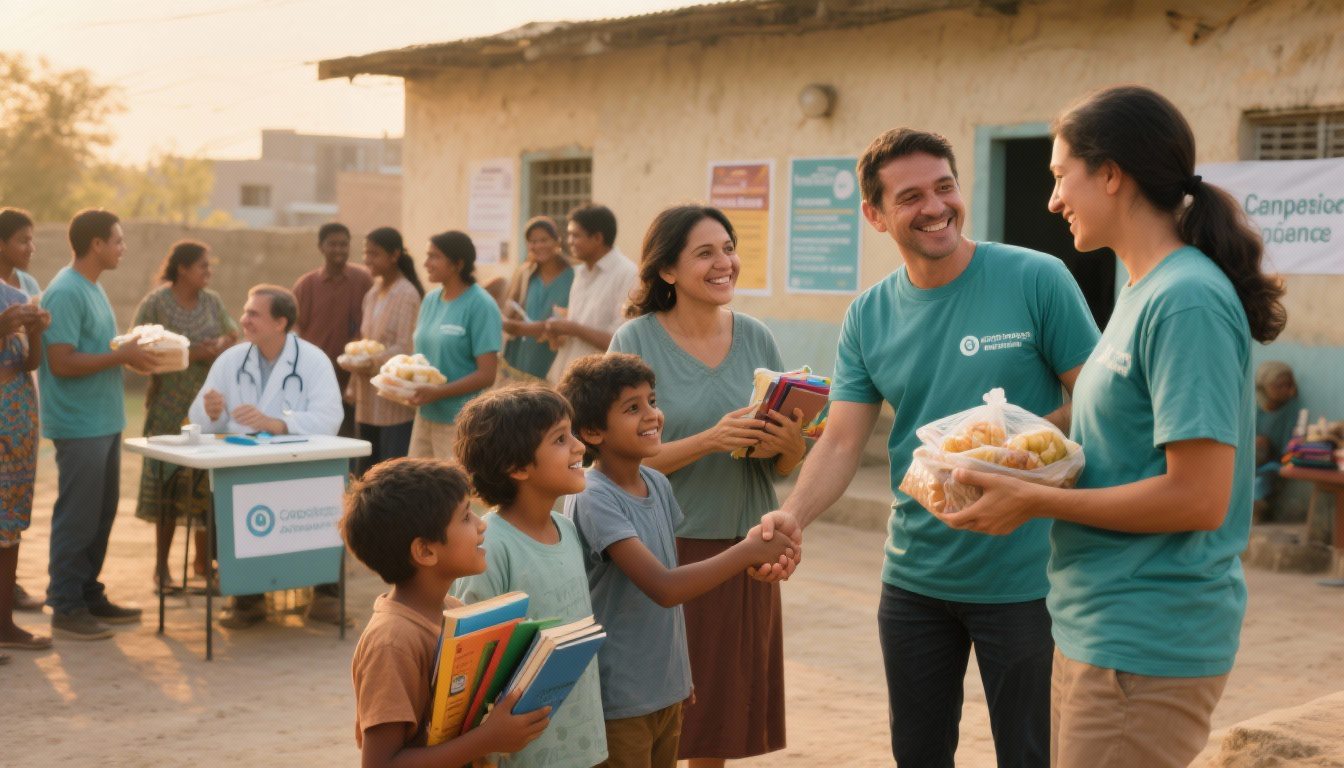
Discover how Food Distribution for poor is a crucial activity that punches holes in hunger, brings about social equity, and enables sustainable development. Discover strategies, strengths, weaknesses, and recommendations within this ultimate guide.
Hunger is the greatest challenge our world is still grappling with. Even with all that human beings have done with regard to food and agricultural produce, there are millions of people who go to bed hungry. The poor have redistributed food in the biggest war against hunger and poverty. The moral and pragmatic solution has tried to remedy the problem of imbalances between food supplies adequate to feed everyone and individuals who do not have the same food supply. By establishing efficient redistributive channels, individuals can make poor neighborhoods resilient, avoid wastage of food, and accord poorer individuals more dignity.
Socio-economic imbalances, geopolitical tensions, climate shocks, and urbanization cause world hunger. Food distribution for poor situation is not just availability of food, but bringing quality food to reach in a manner so that well-being and productivity are achieved.
Throughout this blog, the topic will be a critical examination of the content which will touch upon the significance of food distribution, how society co-exists with it, problems being faced, efficient mechanisms of the world, technological advancements that are bringing in new changes, and measures for change in the future.
The Global Hunger Crisis
A Persistent Problem More than 820 million people globally are undernourished, the most exposed of which are children under the age of five, based on the Food and Agriculture Organization (FAO). The world hunger index takes into consideration the extent of prevailing widespread food insecurity noted in nations such as Sub-Saharan Africa, South Asia, and Latin America. While overall available global food is adequate to feed all groups, structural inefficiencies in accessing the food supply make the majority of them go hungry.
Compounding reasons for Food Insecurity
Some complications are fueling escalating hunger and malnutrition:
Economic Instability: Poverty, unemployment, and inflation restrict food supply.
Conflict and Displacement: Areas of conflict destabilize markets and agriculture.
Climate Change: Seasonal variation, floods, and drought reduce harvests.
Urbanization: Unregulated urban growth has the potential to create slums with restricted access to affordable food.
These realities put targeted food distribution to the poor groups into context as a means of ending hunger today and building resilience.
Why Target Food Distribution to Poor Groups?
Starvation is less an issue of availability and more an issue of food use and access. Poor households in need of money lack mainly cash to buy food regularly. Coordination of continued food supply to poor households would assure society that they have covered minimum nutritional needs, resulting in health, education, and productivity. It is an essential social cushion particularly in times of crisis like natural disaster, epidemics, or economic downturn.
The Role of Food Distribution for Poor Household Members
Nutritional and Social Impacts
Nutritional Benefits: Well-planned food distribution programs provide well-fed food with adequate macronutrients and micronutrients. It prevents malnutrition, anemia, stunted growth, and other nutritional illnesses prevalent in poor families.
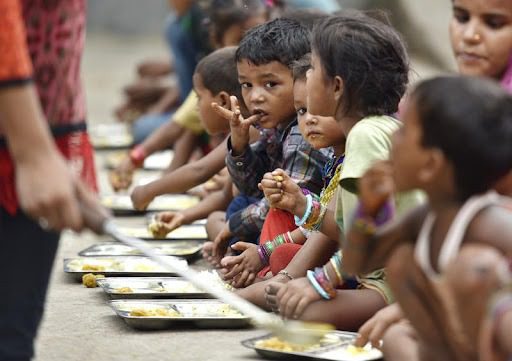
Educational Benefits: Poor concentration and development of the brain are experienced by poor children. School feeding programs improve school enrollment and school attainment, making the children escape poverty.
Social Stability: Through the alleviation of hunger, society is relieving crime, reducing social tension, and enhancing health as a whole.
Economic Equity: Through the fulfillment of subsistence food needs through distribution, families are now able to spend scarce resources on education, health care, and small business enterprise, supporting local economies.
Human Dignity: Food as a human right forms part of international human rights law such as the Universal Declaration of Human Rights.
Food Distribution for poor Work Channels of Distribution
A number of players and arrangements distributed food to poor families at infrequent intervals, sometimes superimposed:
Government Schemes: Government-aided staple food schemes like rice, wheat, and legumes are supplied to the poor and vulnerable group by most of the nations. They include programs like mid-day meal programs, welfare ration cards, and relief food during calamity. India’s Public Distribution System (PDS), for example, provides food among close to 800 million people each month.
Non-Profit Organizations: Voluntary organizations and non-government sponsored organizations possess relief items, cupboards, and hot meal centers during times of need. They also possess a grass-root level awareness that enables them to reach the poor.
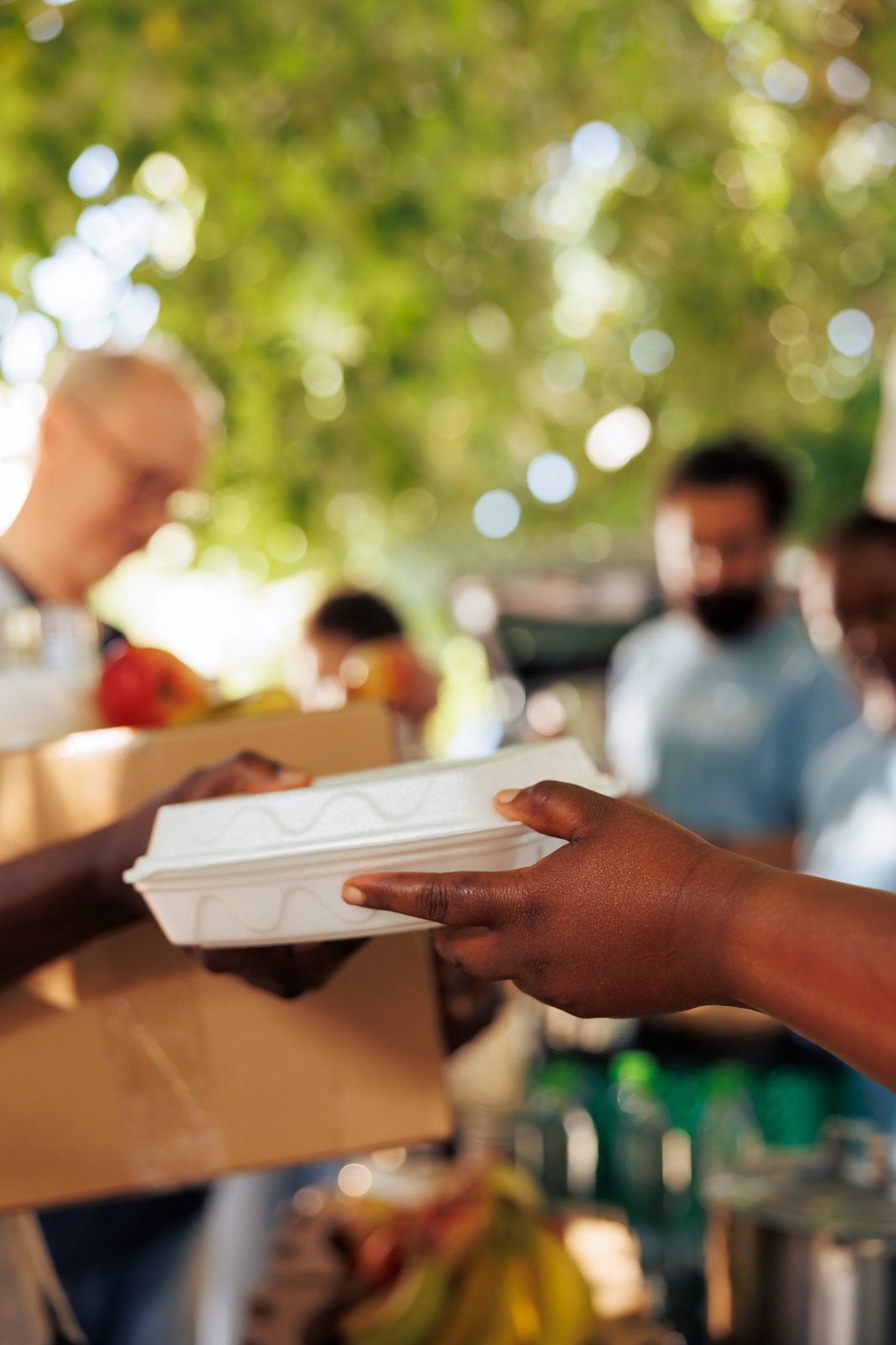
Food Banks: Food banks accept surplus or donated food that is acceptable by food processors, restaurants, and supermarkets. These are distributed at homeless shelters, community kitchens, and poor houses.
Community Kitchens: Highly effective for the urban poor, community kitchens offer a hot meal every day, relieving cooking burden from poor or fuel-starved families.
Corporate Social Responsibility (CSR): Some corporates collaborate with hunger relief NGOs or run programs to ensnare supply chain food waste at no expense by redirecting surplus to the poor.
Models of Successful Food Distribution for Poor
For different situations, some common models are:
Direct Food Programs: Pre-cooked nutritious food is transported to schools, shelters, and nutrition centers providing nutrition as well as socialization.
Ration Packs: Bulk food delivery of staple food provides families with a way to cook and feed food to their need, with choice and flexibility.
Cash Transfers and Electronic Vouchers: New cards and new mobile money allow recipients to use for food bought from local community-based traders, generate market activity, and reduce stigma.
Farm-to-Table Networks: Direct connection between small producers and poor families prevents wastage at production time and also supports the local economy.
Strength and weakness models as well as hybrid models are based on the most efficient local needs found.
Food Distribution Challenges in Poverty-Ridden Areas
Optimal distribution of food to poverty-ridden areas is plagued with several challenges:
Infrastructure and Logistics: It is costly and not easy to get the food delivered in inaccessible, remote locations, or war-zones. No truck and no road imply food wastage through latency and spoilage.
Storage Facilities: There is no warehouse facility or cold store and hence the food will spoil, reducing quality and quantity of delivered food.
Financing Shortfalls: Donor- and budget-variable aid for hunger causes drift and inevitably short-fall. Long-term funding makes things permanent.
Leakages and Corruption: Staple foods consumed by the poor are pilfered or black-marketed somewhere, weakening programs and their legitimacy.
Nutritional Quality: Distribution programs with some of them guaranteeing calorific sufficiency but all of them not meeting micronutrient sufficiency are a threat to the beneficiaries through what has come to be known as hidden hunger (malnourishment despite adequacy of calories supplied).
Cultural Sensitivities: Eating habits and food customs and eating manners on the basis of religious and cultural food culture should be dealt with in a manner that the food becomes acceptable for distribution.
These all can be dealt with through the collective in the arena of policy restructurings, good governance, technology, and people’s participation.
Role of Technology in Food Distribution
New technology is promoting increasing openness, efficiency, and scalability of the food delivery of poor individuals:
Mobile Applications: Apps enable recipients to track delivery points in real time, provide reminders, and lodge complaints. This increases accessibility and empowerment.
Blockchain Technology: Blockchain protects donors and regulators from leakage and fraud along the supply chain by recording in an irrevocable form, enabling donors and regulators to trace each unit of food from farmer to consumer.
Artificial Intelligence and Data Analytics: AI forecasts peak demand, route optimization, and forecasts shortages to be anticipated so that pre-allocation of resources can be facilitated.
Geographic Information Systems (GIS): Interventions are targeted through hotspot mapping, to avoid duplication and leverage impact.
Digital Payments and Vouchers: Stigma is removed for assistance through cashless payment, dignity is ensured, and beneficiaries can purchase choice food locally, enhancing choice and economy.
Food Delivery to the Poor and Sustainable Development Goals (SDGs)
Food distribution in an optimum manner is advantageous to the United Nations’ Sustainable Development Goals in the following manner:
SDG 1 – No Poverty: Elimination of abject poverty through relief from economic deprivation through food.
SDG 2 – Zero Hunger: Elimination of hunger by relief and sustenance through the medium of food.
SDG 3 – Good Health and Well-Being: Improvement of nutritional levels for prevention of disease and death.
SDG 4 – Quality Education: Food supplementation triggers higher mental alertness and enrollment in schools.
SDG 5 – Gender Equality: Socioeconomic empowerment of female beneficiaries via strategic programs.
Recipes for Successful Food Distribution Around the Globe
India’s Mid-Day Meal Scheme: It has nourished over 120 million school children every day since the beginning, checked school dropouts, improved nutrition, and spurred rural economies. The tight monitoring keeps leakages at bay and makes the system transparent.
United States’ Feeding America Network: Its large food bank network collects millions of pounds of surplus food annually, to pantries distributing food to millions of low-income citizens through volunteers and charity members.
Brazil’s Programa Zero Hunger: Marries food provision with building family farming to give maximum short-term relief and long-term cover against hunger. Their policy reduces hunger by strides and bounds in the entire population.
Kenya’s Community Kitchens: Self-help groups of women cook daily meals from the locally produced food, and they offer social integration and income generation.
Japan Food Bank Association: Leverages volunteer networks to partner with manufacturers and retailers to redirect surplus edible food, salvage waste, and feed the poor.
Participation of the Community in Food Distribution
Effective and sustainable food distribution depends on community participation
Volunteers: Coordinate resources, meal preparation, delivery, and hunger education.
Local Farmers: Sell extra or donate at reduced price to donate fresh produce and vegetables, activating local economies and preventing wastage.
Religious and Cultural Organizations: Churches, mosques, temples, and community centers provide kitchen and food storage space and facilities on a regular basis.
Civic and Youth Groups: Organize drives, education, and partnerships with the widest reach and impact.
Food to Poor Is Not Only Nutritiously Helpful
In addition to full bellies are the benefits of well-planned food distribution programs:
Emotional and Psychological Well-being: Hunger has been linked with depression, anxiety, and poor psychology. Uninterrupted availability of food erases tension and offers good psychology.
Women Empowerment: Programmes enabling women participation in distribution networks, preparation, and planning empower women leadership and economic autonomy to poor women.
Environmental Protection: Redistribution of excess food enables land-filling avoidance and attendant greenhouse gas emissions, enabling action on climate change.
Social Cohesion: Food sharing and distribution mechanisms build social capital, tolerance, and reduction of social fragmentation.
Economic Multiplier Effect: Efficient distribution of food releases household income for schooling, healthcare, and enterprise, and can be a spur to local economic growth.
Future of Food Distribution for Poor
There is immense potential in the future to make food distribution smarter, more sustainable, and inclusive
Smart Logistics: Technological advancements on AI-driven drone, self-driving delivery trucks, and smart warehouse fronts will gain momentum and reduce the cost of delivery, especially to out-of-the-way places.
Green Packaging: Low-packaging, reusability, and biodegradable technology will reduce the environment and cost involved in food relief.
Micro-Grids and Food Storage at the Local Level: Local people-owned renewable energy-based storage will preserve freshness and availability.
Policy Innovations: Governments will improve food-waste policy, increase surplus donations, and strengthen surveillance systems to address corruption.
Global Cooperation: International alliances and transnational food banks will be crisis-sensitive and build robust global supply chains.
Nutrition-Based Distribution: Future programs will prioritize nutrient-rich food and customized diet interventions to fight insidious hunger.
conclusion:
Food distribution for poor families is one of the most effective tools to reduce hunger, improve health, promote education, and enhance social equality. It channels surplus resources into meaningful relief and creates a ripple effect of benefits that uplift entire communities. The need of the hour is not just charity.