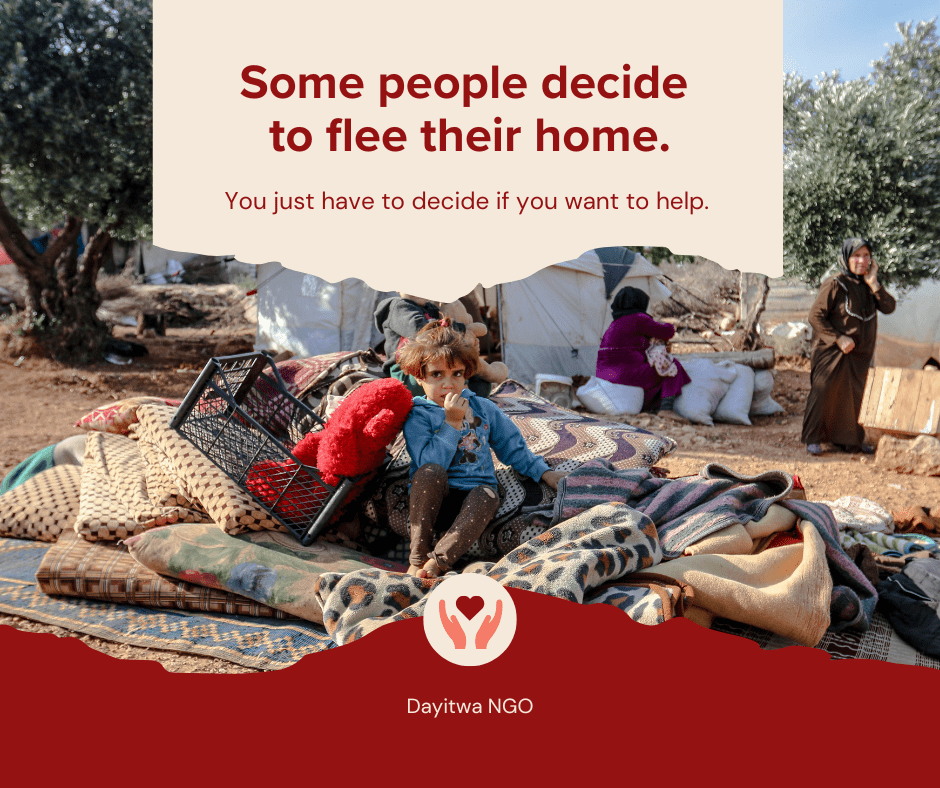
In today’s quickly changing society, social challenges such as homelessness, poverty, lack of education and healthcare differences affect millions of people. To address these issues only requires more than government intervention – this requires grassroots organizations working at community level. Among many non-governmental organizations (NGO) working in India, the day-to-day NGO activities stand out for their unique attitude to create permanent, people-centric changes.
Through targeted programs, innovative outreach and strong community partnership, Dayitwa is redefined to run social changes, define it again. The organization does not only focus on temporary relief-it emphasizes empowerment, skill development and long-term solutions. In this blog, we will find out how Dayitwa NGO activities are creating strong communities, giving dignity to the marginalized groups, and running meaningful social change across India.
The Mission and Vision of Dayitwa
NGO is a simple but powerful mission at the center of activities:
To restore dignity and provide opportunities for marginalized individuals and communities. The aim of the organization is to create a society where no one is left behind, and each person has the same access to the opportunities of education, shelter, healthcare and livelihood. Unlike short -term relief measures, Dayitwa NGO activities are designed for stability. Whether it is sheltering homeless persons, empowering women through training programs, or supporting children in education, each initiative is associated with a long -term effect.
Dayitwa NGO activities Running Original values:
- Compassion: To treat every person with dignity and sympathy.
- Inclusion: To ensure the sounds of margins in the society.
- Stability: Building systems that remain beyond immediate support.
- Cooperation: Participation with communities, volunteers and organizations for influence.
Homeless urbanization is one of the most neglected issues in India. Thousands of people live on the streets without shelter, food security or security. Dayitwa NGO activities in the region focus on providing immediate relief while working towards long -term rehabilitation.
- Shelter Homes: Offering safe housing for individuals and families.
- Consultation and rehabilitation: supporting emotional and mental health requirements.
- Skill development: Training homeless persons in small trades to secure employment.
- Join with government schemes: Help beneficiaries to reach housing and welfare programs. By combining shelter with rehabilitation, Dayitwa NGO activities not only provide a roof on one’s head, but also gives a chance to rebuild life with dignity.
Education initiative for children and youth Education is one of the most powerful tools to break poverty cycles. Recognizing this, Dayitwa NGO activities give a strong emphasis on children and youth education.
Major Program:
- Bridge School: Helping children who were out to re -enter formal school education.
- Evening Tuition Center: Providing additional assistance to children from deprived backgrounds.
- Digital literacy classes: preparing youth for modern job markets.
- Scholarship Program: Supporting economically bright students. Through these education-operated Dayitwa NGO activities, children are not only receiving educational support, but are also being motivated to work towards large dreamers and bright futures.
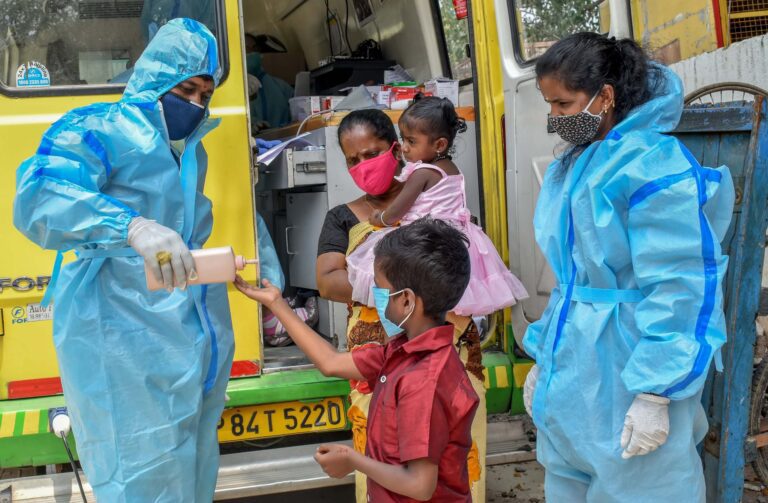
Healthcare for marginalized communities Healthcare inequality remains a major challenge in India, especially among the marginalized population. Many cannot take basic treatment or preventive care. Dayitwa NGO activities blow this difference by offering free and inexpensive health care.
Health Camps: Providing free checkups and medicines in understated areas.
- Maternal and Child Health Program: Ensuring safe conception, nutrition and vaccination.
- Health Awareness Campaign: Educating communities on cleanliness, hygiene and prevention of disease.
- Cooperation with hospitals: Participation with clinics to provide special treatment. By integrating healthcare with education and awareness, Dayitwa NGO activities ensure that the community is healthy, strong and better able to handle future challenges.
Women’s strong programs Dayitwa NGO is to empower women, one of the strongest columns of activities. In many communities, women face economic and social obstacles that limit their capacity. Dayitwa believes that it is necessary to empower women for community development.
Program for Women:
- Self-Help Group : Teaching financial literacy and entrepreneurship.
- Vocational training: skills such as sewing, food processing and handicrafts.
- Legal and Health Awareness Workshops: Educating women on their rights and wellbeing.
- Micro-Financing Support: Helping women start small businesses. By enabling women to become self -sufficient, Dayitwa NGO activities ensure the whole family and communities to grow together.
Volunteer and community engagement True change requires active participation from society. Dayitwa NGO activities actively include volunteers, youth and local communities.
- Voluntary Program:
Students and professionals support education, healthcare and awareness drives. Community Campaign: Street Play, Awareness March and Interactive Session to spread messages.
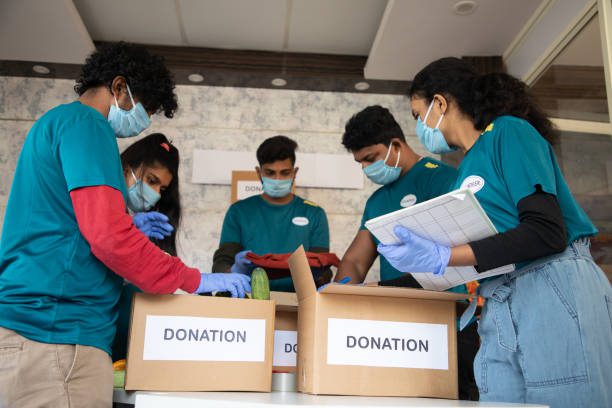
- Workshops for Citizens: Encouraging common people to become agents. Through this partnership model, Dayitwa NGO activities ensure stability and long -term effects.
CSR Partnership and Cooperation Corporates play an important role in running social responsibility. Dayitwa NGO activities increase their access and effectiveness, aligning with corporate social responsibility (CSR) initiative.
- Examples include: CSR funding for shelter and education programs. Young volunteers engage in skill-building for youth. Awareness campaigns run jointly with corporate partners. Such cooperation strengthens the effects of Dayitwa NGO activities and ensures that social changes occur on a large scale.
Advocacy and awareness campaign Beyond the one programs, Dayitwa NGO activities also focus on advocacy and spreading awareness. This idea is to influence not only personal life but also social systems.
- Social media campaign: Reaching urban youth with stories of influence.
- Policy advocacy: Attachment with government bodies for better policies on homeless and poverty.
- Community Seminars: Educating people about rights and responsibilities. These advocacy-driven Dayitwa NGO activities expand the influence of the organization to the immediate beneficiaries.
2. Social media effects on people:
Social media has increased the reach of NGOs like Dayitwa by raising awareness, sharing real stories and gathering support. Platforms Dayitwa NGOs such as Facebook, Instagram and Twitter allow NGO activities to highlight success stories, attract volunteers and create confidence with donors. People today join more for the reasons they can see and relate online, and social media provides that direct bridge. Results have increased more participation in community engagement, more donations and genuine changes running.
Stories of impact and success The actual evidence of the effect lies in stories of change. Over the years, Dayitwa NGO activities have changed the lives of thousands of people. The homeless families moved to a permanent residence. Once on the streets, children are now excellent in schools. Trained women are running successful businesses through Dayitwa.
Young volunteers have become a lifetime advocate of social change. Each story shows how Dayitwa NGO activities go beyond the charity – they create permanent empowerment.
Dayitwa NGO Future of Activities While a lot has been achieved, challenges remain.
Dayitwa NGOs include further roads for activities: Extending digital education and skill programs. Healthcare outreach in rural areas. Construction of more women led enterprises. Construction of strong cooperation with CSR and government partners. The vision is clear: Dayitwa NGO to make activities a national model for permanent and inclusive social change.
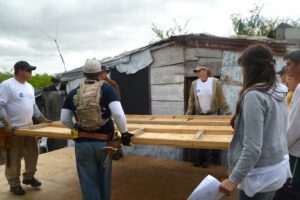
One of the most visible issues in the homeless society often leaves individuals without the basic security of food, shelter or emotional support. Providing shelter is not just about offering a roof on one’s head; This is about restoring dignity and giving people a chance to rebuild their lives. Safe homes provide protection from rigorous realities of roads, where individuals are unsafe for extreme weather, exploitation and violence. With shelter, access to nutritious food is important. More people who live without homes suffer from hunger and malnutrition, which causes both physical and mental health problems. Food safety platforms focus on that individuals receive food continuously, bothering them to focus on recovery and personal development rather than surviving.
It gives immediate relief and focuses on changes. Advice services play an important role in addressing the feelings of trauma and mental health that often occur with being homeless. With professional guidance and emotional support, individuals can start to heal, gain confidence, and work towards their healthy living in society. Rehabilitation includes people with skills, employment , works and health facilities, which creates a fair path for freedom. By stability and hope provides safe shelters, help for food support, rehabilitation programs. They not only treat the symptoms of being homeless, but also address its root causes, providing individuals tools and confidence to achieve their lives again. It accepts the integrated approach that every human provides the opportunity to dignity, safety and flourish. In doing so, shelters and rehabilitation become powerful tools
The future of Dayitwa NGO activities in India
The future of community-given efforts in India is marked by a strong focus on creating cooperation. Since the country faces difficult challenges such as poverty, unemployment, being homeless and lack of knowledge of healthcare and education, NGO organizations working at the ground level will need to adapt and grow their strategies. In the coming years, they will possibly move towards intelligent technology in social development programs. Digital classrooms, telemedicine, and mobile-based awareness campaigns can bridge the intervals that traditional methods cannot, ensuring that support also reaches the most remote and underscore regions.
Another important aspect of the future lies in the formation of partnership. The cooperation between non -profit groups, corporations, government agencies and international organizations will be required. Corporate Social Responsibility (CSR) will play a major role in the initiative, especially, funding and resource-sharing, allowing non-profit organizations to increase their work scope. At the same time, policy advocacy will be an important field, as affecting systemic changes can lead to long -term solutions for social issues. Young participation will also define the future of such an initiative. With a growth in awareness among the youth about social, climate change, the next generation is aware to contribute to positive changes. Volunteers, internships and leadership programs can turn this energy into meaningful action, making a cycle where youngsters not only support communities, but also learn the values of education and responsibility. The future also asks to focus deeply on measuring the effect. Donors, partners and community.
Conclusion
The Journey of Dayitwa is a powerful reminder that begins with social change and compassion, but it thrives through action. By addressing homeless, education, healthcare, and women empowerment, Dayitwa NGO activities are not only changing personal life – they are re -shaping communities.
Every initiative is a step towards a more inclusive society, where dignity and opportunities are available for all.
Dayitwa NGO supporting activities means being part of a large movement that believes in long term, permanent changes. When we invest in such an initiative, we are not only helping those, but also building a strong, more equitable future for India. Dayitwa work is proof that NGOs can run powerful, permanent changes at a time – a life, a program and a community. Every step counts. Support Dayitwa NGO activities by Donating.
Story for change: real life, real impact
One of the most powerful ways to act is through storytelling. The real life experiences of individuals, who have overcome difficulty in supporting community programs, not only face challenges that face people, but also their flexibility and strength. When a small child is once deprived of education, or when a female skill acquires financial freedom through training, these stories reflect their most difficult changes. They remind us that change is not abstract – it is personal, visible and deep human. Sharing such stories also breaks conservativeness and creates sympathy. Many people cannot realize the daily struggles of the marginalized people of the society until they listen to them for the first time. Storytelling put this difference for statistics and voices and poured the faces and poured for invisible conflicts. A single video of a child who celebrates his first day in school or a conversation with a family going to a safe residence can be resources raised. Views and Tests, ensuring that the audience not only listen to the change, but also make it a straight witness. At the end,