Education NGOs access to quality education for all children is important for making bright futures. However, many children face obstacles such as poverty, distance from schools, lack of resources and social prejudices. make tireless efforts to remove these obstacles and bring opportunities to learn for every child, whether their background or place is any.
1.Expanding Access to Quality Child Education Ngos
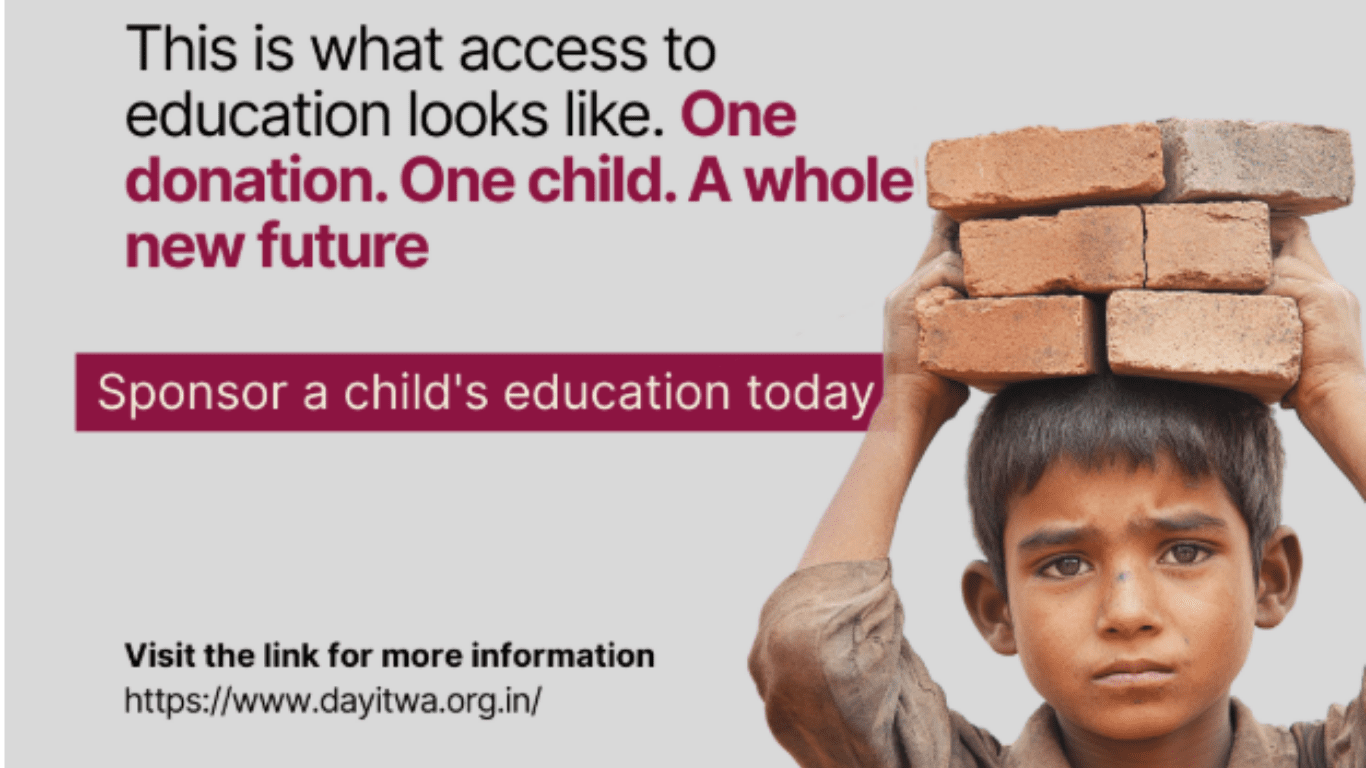
Many children, especially in rural or poor areas, are unable to participate in school regularly because it is far away, very expensive, or it violates social norms, for which their education must be corresponded. Education NGOs address these challenges by setting up non-formal education centers, mobile classes and community schools to bring schools close to children’s homes. These are the right solutions for children to start – and continue on their educational journey.
Parents, local leaders and communities have been actively included to promote the importance of education in education NGOs. By encouraging awareness and encouraging participation, families especially become supporters of children’s school education for girls and marginalized groups. This community improves nomination rates and reduces dropouts
Digital tools and online learning platforms now play an important role in reaching children who cannot participate in traditional schools. NGOs provide access to tablets, educational apps and lessons in local languages, which makes quality education more accessible, even in remote areas or during crises.
Impact on Child nurturing
Together, these efforts ensure that more children get a solid basis for learning and personal development. The expansion of access to quality education helps in breaking the cycles of poverty and creates strong, more equitable societies where every child has a chance to succeed.
2.Improving Teaching Quality and Training Educators in Child Education
High quality teaching is essential for effective teaching, and education NGOs focus too much on training teachers to improve overall education experience. By equipping teachers with modern, research-based teaching methods, NGOs help to nurture the ability of young learners and increase the consequences of learning.
Teacher training programs combine theory with practical classroom experience. The teachers met various child-focused teaching approaches such as play-based learning, interactive lessons, and different instructions of individual students. Emphasis is laid on understanding child psychology and development to support overall development.
Modern Teaching Methods
Modern approaches such as Montessori, Razigio Emilia, and project-based learning train teachers only to act as feature rather than knowledge dispenser. These techniques encourage creativity, important thinking and cooperation among students, making learning more attractive and meaningful. Well -trained teachers promoted an inclusive class climate, where every child feels valuable and inspired
Ongoing training and mentarships ensure that the teachers are updated with new educational equipment and strategies. NGOs organize workshops and colleagues learning sessions and provide digital resources to teachers to help improve their skills continuously. This commitment for professional development benefits education directly by increasing teaching standards.
Positive effects on children’s education
Strengthening teaching quality translates into better educational performance and life skills among children. When teachers are well prepared, children receive attention and support, which make them a strong foundation for future success. Effective teacher training is thus the cornerstone of pursuing education in unqualified communities.
3. Providing learning materials and digital equipment for child education
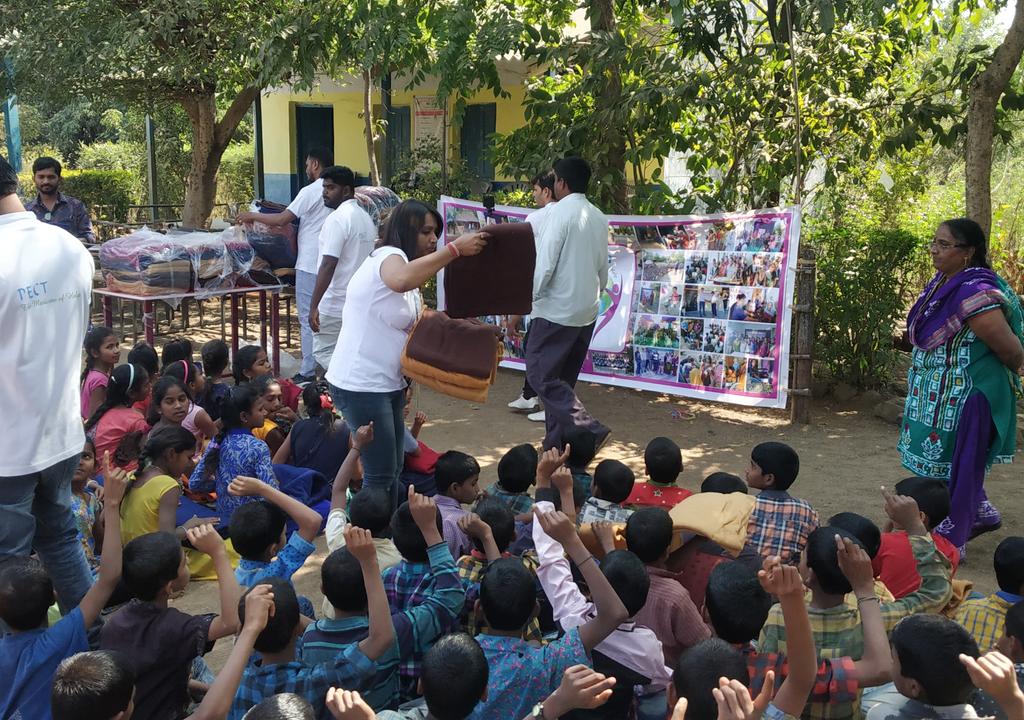
Access to quality learning materials and digital devices plays an important role in increasing children’s education worldwide.Education NGOs focus on reducing resource difference by supplying textbooks, educational kits and modern digital technologies that make learning more interactive, inclusive and effective. These resources ensure that every child has the opportunity to learn and grow in today’s rapidly developed educational scenario.
Importance of learning content in education
Traditional teaching materials such as textbooks, notebooks and writing equipment remain fundamental for nutrition. In many unqualified communities, the lack of these imperatives hinders children’s ability to actively participate in school. education NGOs distribute these resources to classrooms and directly children, ensuring that they need to be fully engaged in learning activities. This basic support promotes consistent appearance and better educational performance.
In recent years, digital devices have revolutionized education ngos. Interactive educational apps, e-books, online learning platforms, and virtual classrooms provide individual and adaptive learning experience to suit the unique needs of children. These devices provide multimedia content – Vidos, Animation and Games – which attracts the attention of young learners and helps them understand complex concepts more easily.
Digital equipment also enables children to reach quality education in remote or conflict affected areas when traditional schools cannot be available. For example, the tablet loaded with offline materials or radio-based texts continued to learn despite the challenges of the infrastructure
Benefits of digital resources in childhood education
Digital teaching equipment increases engagement, making education fun and motivational. Adaptive platforms adjust the learning speed of children, making sure that a child does not fall behind. Associate apps encourage teamwork and communication skills, while creativity apps promote imagination and problems. In addition, technology helps teachers to track the progress through data analytics, which addresses individual intervals that allow an analog instruction. This lesson also supports children with disabilities by offering a-to-speech, adaptable display, and visual AIDS, promoting inclusive learning environment
Organizations such as rooms distribute millions of books to read and develop digital libraries in many languages worldwide. The use of pantham of tablets with interactive materials in rural India has greatly improved literacy and numerical rates. Tech-based education during the Covid-19 epidemic showed how digital equipment maintains continuity, even in crisis.
Challenges and Solutions
These include power shortage, internet access and digital literacy that can undermine the influence of digital tools. NGOs are tackling them with solar-powered devices, offline materials and teacher and student training. These efforts are supported on a scale and extended through cooperation with governments and private institutions, and therefore remain sustainable
To expand access to quality education, it is necessary to provide learning materials and digital equipment. These resources empower children to actively attach, effectively learning and achieve important skills for the future. By integrating traditional materials with modern technology, education NGOs create dynamic, inclusive and flexible learning environment that prepares every child for success in the fast changing world.
4. Supporting Holistic Development Beyond Academic Child Education
Plain to support overall development beyond academic child education The overall development in child upbringing is beyond traditional academics, which is to nurture the full spectrum of development of a child, including emotional, social, physical, cognitive and moral dimensions. Education NGOs consider this comprehensive approach to not only to succeed in school but also to prepare children to flourish in life.
Overall development supports balanced development in many areas of a child’s life. This includes emotional intelligence, social skills, physical health, intellectual abilities and moral values. Focusing on a fully educational achievement can limit the child’s ability; Addressing these aspects together, individuals who score well are designed to face different life challenges
Key Components
Socio-emotional development: Children learn to understand and manage emotions, create relationships and develop sympathy. These skills are fundamental to inspiration and confidence in learning.
Regular physical activity and health education promote the necessary fitness and motor skills for overall welfare Beyond memoir, meditation and memoirs, children develop the thinking, creativity and problem-solution abilities necessary to learn lifetime.Price guide behavior and respect for decision making education ngos
The Importance for Education for Children
Overall approaches create auxiliary environment where children feel safe, valuable and inspired. This foundation is important for effective learning because children who face emotional or physical neglect academically struggle. By integrating these dimensions, children’s nutrition becomes a tool for nurturing healthy
5. Empowering Communities to Value Child Education
Empowering communities plays an important role in increasing the nutrition of the child. When the communities actively support education, there is considerable improvement in access to children for children. Education NGOs work closely with families, local leaders and stakeholders to create awareness, change the mindset, and promote an environment where education is given priority for every child
In many cases, social and cultural obstacles hinder the school education of children, particularly of girls and disadvantaged groups. To raise awareness, the NGOs go on campaign explaining the benefits of an educated child both for people and societies. They promote parent participation in enrolling their children to school; in keeping them in school (retention) and in developing a positive attitude towards learning.
Attaching parents and local leaders
Community participation is necessary for permanent progress. By involving parents, elders and local affected people in dialogues and decision making, Education NGOs create confidence and commitment to education. When members of the community feel owned by educational initiative, they actively support the appearance and participation of children
Strong communities help to create schools that are safe,
welcome and inclusive. They advocate quality infrastructure, girl friendly
facilities and child labor or protection against early marriage.education ngos This support
ensures that education for children occurs in a favorable environment for
development and welfare
Non -governmental organizations are often collaborated to provide resources and training in association with community organizations, governments and businesses that enhance local capacity for education advocacy. Strong communities can maintain educational efforts, monitor school quality, and promote
6. Bridging the Gap Between School and Future Careers Through Child Education
Preparation of children for future career is an important expansion of children’s upbringing, ensuring that educational education is transformed into a real world success. Education NGOs and schools focus on reducing this difference by providing rapid career readiness programs, skill development, and mentorship that empowers young learners to confidently navigate the workforce.
Career’s readiness programs integrate essential skills such as communication, problem-solution, teamwork and leadership along with educational materials. These programs highlight the opportunities for various industries, internships and job shadowsing, which helps them to detect career options and develop practical skills before graduating. This strengthens motivation and engagement in learning early guidance.
Skill development and work-based teaching
Effective career-focused education provides skill-making session to the current job market demands. Children learn technical skills such as computer proficiency or professional trades, as well as soft skills required for the success of the workplace. Through internships, apprenticeship and cooperative education models, students gain experience on hands that confirm the classroom lessons and create confidence.
Individual career counseling supports students in identifying their strength, interests and goals. With the help of career coaches or masters, children make working plans, including re -start buildings, interview preparations, and search for educational routes. This overall support system promotes self-awareness and flexibility in career decision making.
The Role of Education NGO
Several NGOs with schools and industries to provide comprehensive career readiness programs. This participation facilitates exposure to real -life work environment, mentorship networks, and skill enhancement workshops, which is selected to fulfill the aspirations of diverse learners. Destiny helps to stop the difference between learning and employment by embedding these initiatives within children.
Bridge to school-to-career intervals ensures high employment rates, better income possibilities, and increase in motivation to learn lifetime among youth. Students designed with both educational knowledge and career skills are better equipped to develop economies and make positive contribution to communities. This alignment benefits individuals and leads to strong, more flexible societies.education ngos
7. Advocating for Policy Change and Stronger Child Education Ngos Systems
Effective advocacy for policy changes and strong education systems is important to ensure that every child receives quality education. Education NGOs play an important role by influencing governments, gathering communities, and shaping policies that create a supportive environment for child learning and development
Policies regulate education systems, determine resource allocation, and teachers determine the standards for training along with training. Without strong, hair-focused policies, many children live outside or invisible. Education NGOs play an important role in bridging these intervals by advocating inclusive, equitable and quality education. Their efforts focus on highlighting deficiencies in existing laws or implementation and proceeding to reforms that reflect the developments of children and society. By collaborating with governments, communities and stakeholders, education NGOs ensure that every child has access to learning opportunities, better resources and a bright future.
Real-World Impact: Stories and Statistics
Earth’s bridge programs have placed thousands of children in the mainstream, especially in slums. Currently, they teach in five major cities through India’s fellow initiative, leveling educational opportunities for low -income students. Education NGOs like Dream-e-Dream have also influenced the state curriculum in Delhi, Karnataka, and Jharkhand, such as important skills such as mindyfulness and emotional intelligence teachers have been trained in teachers. Similarly, Room to Read has distributed more than 32 million books in Asia and Africa, which has greatly improved literacy rates. With the efforts of NGOs like Khushi, beneficiaries like Nisha have been empowered to achieve self -reliant livelihood, which are changing their futures.
Conclusions: collective efforts to change child education ngos
Through inclusive teaching, advocacy, digital innovation and overall support, dayitwa education NGO re -opens the future for millions of children. These stories and examples suggest that child education becomes a ladder for opportunity, enabled children to dream, achieve and become catalysts for change from all backgrounds. Every parent, teacher, donor and policy maker have a role in supporting these change efforts – at least, a bright future is possible for all children.